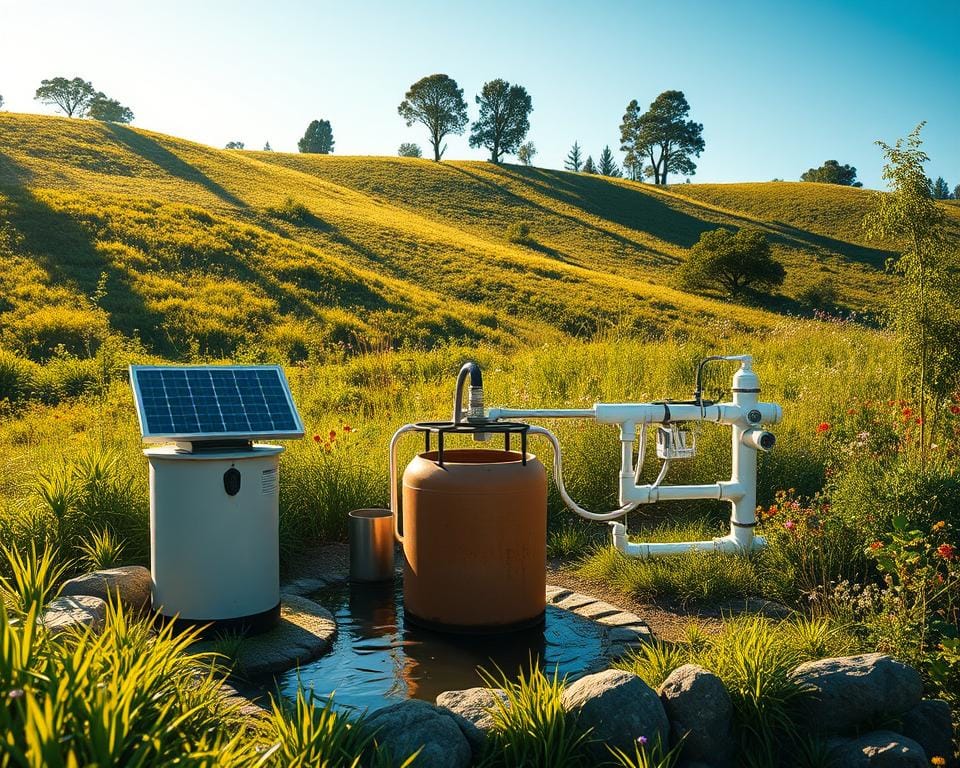
Water survival is more than a wilderness skill. It’s a critical life strategy for anyone serious about self-sufficient living. Off-grid water purification systems transform uncertain water sources into safe, drinkable resources.
My journey into DIY water filtration began with one eye-opening realization. Clean water access isn’t guaranteed, even in developed environments.
Picture creating a water system that works anywhere. These self-sufficient water systems don’t depend on municipal infrastructure. They’re complete independence solutions, not just backup plans.
These systems help whether you’re preparing for emergencies or embracing sustainable living. Understanding water purification techniques can literally save your life.
The magic of DIY water filtration lies in its simplicity. It also offers great adaptability. Anyone can design a system that provides reliable, clean water in almost any environment.
My approach focuses on practical knowledge. This empowers you to build resilient water solutions that work.
Key Takeaways
- Off-grid water systems provide complete water independence
- DIY filtration is more accessible than most people realize
- Proper water purification requires understanding key scientific principles
- Self-sufficient water systems can be built with minimal technical expertise
- Water security is a critical component of sustainable living
Understanding Off-Grid Water Purification Systems
Sustainable water treatment is a critical survival skill for anyone seeking independence from traditional infrastructure. Off-grid water purification systems offer an ingenious approach to securing clean water without municipal supplies.
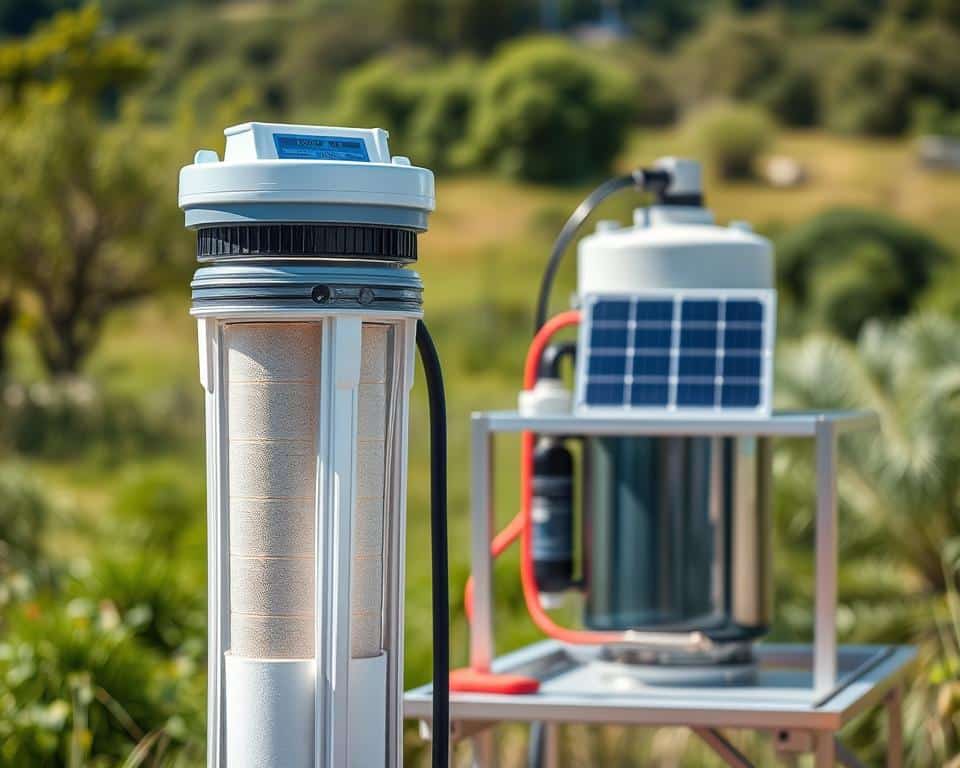
These remarkable non-electric water purifiers leverage natural processes to transform contaminated water into safe drinking sources. The magic happens through carefully designed filtration and treatment stages. They work with gravity and basic physical principles.
How Off-Grid Water Systems Function
Water purification in off-grid settings follows a multi-stage approach designed to eliminate contaminants progressively. The typical system includes three critical phases:
- Collection: Gathering water from natural sources like wells, springs, or rainwater
- Filtration: Removing physical impurities through multiple barrier methods
- Disinfection: Neutralizing biological threats without electrical components
Key Components of a Self-Sufficient Water System
| Component | Function | Effectiveness |
|---|---|---|
| Sediment Filter | Removes large particles | 40-60% contaminant reduction |
| Carbon Filter | Eliminates chemicals and improves taste | Up to 90% organic compound removal |
| UV Purification | Destroys microbial DNA | 99.99% bacterial inactivation |
Why Building Your Own System Makes Sense
Crafting a personal water purification system isn’t just about saving money—though the potential cost savings are significant. By understanding each component, you gain control over your water quality. You also develop crucial survival skills.
Professional pre-built systems can cost between $2,000 and $5,000. A DIY approach might reduce expenses to $300-$800 while providing equivalent performance. The real value lies in knowing exactly how your water gets cleaned.
Sourcing and Collecting Water for Your Off-Grid Setup
Understanding your water sources is crucial for off-grid living. Rainwater harvesting systems offer an excellent approach for securing water in wilderness environments. I’ll break down the most reliable methods for collecting water.
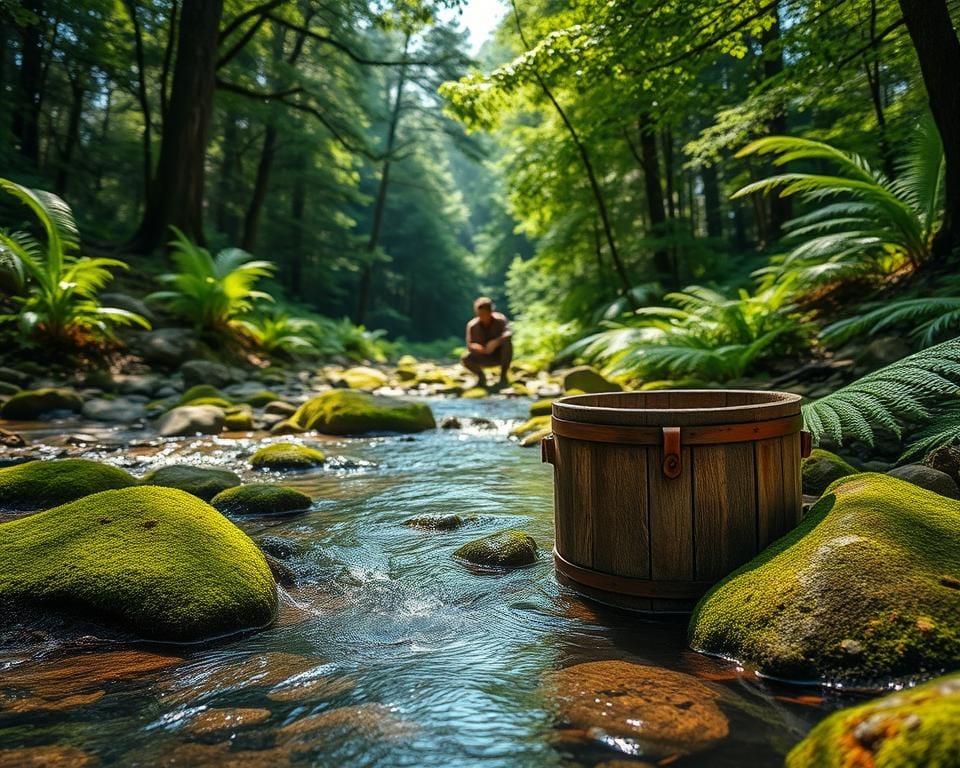
Natural water sources provide multiple options for wilderness water purification. Let’s explore the key collection strategies:
- Natural Springs: Underground water rising to the surface
- Wells: Accessing groundwater through shallow or deep drilling
- Rainwater Collection: Capturing precipitation from rooftops and surfaces
Rainwater harvesting systems can be incredibly efficient. A typical roof can collect approximately 620 gallons of water per inch of rainfall. The beginner’s guide to rainwater harvesting provides detailed insights into maximizing your collection potential.
Storage solutions are critical for successful wilderness water purification. Consider these options:
- Rain Barrels: 50-200 gallon capacity, affordable
- Cisterns: Thousands of gallons, more permanent solution
- Underground Storage: Prevents evaporation and algae growth
Always choose food-grade storage materials like HDPE plastic or stainless steel. These materials ensure water safety. They also extend the longevity of your collection system.
DIY Water Filtration and Purification Methods You Can Build
Creating your own portable water filtration system isn’t just a survival skill—it’s a pathway to water independence. I’ve spent years experimenting with different emergency water filtration techniques. These methods can keep you safe in challenging environments.
The key to successful off-grid water purification is understanding multiple filtration methods. Each approach offers unique benefits for different scenarios.
Gravity-Fed Filtration Systems
Gravity-fed water filters leverage a simple yet powerful principle: water naturally flows downward, creating pressure for filtration. These systems work exceptionally well for portable water filtration without requiring electricity.
- Requires minimal equipment
- Works with standard 5-gallon food-grade buckets
- Can remove up to 99.9999% of contaminants
Sand and Carbon Filter Construction
Building a multilayer filter combines multiple purification techniques. Solar-powered water filters often integrate these filtration stages to maximize water quality.
- Bottom layer: Coarse gravel (3-4 inches)
- Middle layer: Fine sand (12-18 inches)
- Top layer: Activated carbon (6-8 inches)
UV Purification Options for Off-Grid Use
UV light represents a powerful emergency water filtration method that destroys harmful microorganisms without chemicals. Portable UV systems can neutralize bacteria and viruses quickly and efficiently.
Key considerations for UV water purification include wavelength, exposure time, and pre-filtration. The most effective systems combine UV treatment with carbon block filters. This combination ensures comprehensive water safety.
Powering Your Water System Without the Grid
Building an off-grid water purification system needs smart power planning. Solar-powered water filters provide the best sustainable solution for remote water treatment. Smart power choices help create an effective self-sufficient water system.
Several power sources work well for water filtration setups. Consider these key options for your system:
- Solar panels with battery backup
- Gravity-fed systems
- Wind-powered pumping mechanisms
- 12V/24V DC electrical systems
Solar-powered water filters need very little electrical input. Here’s what a standard system requires:
| Component | Power Requirements | Estimated Cost |
|---|---|---|
| Solar Panel | 100-200 watts | $150-$250 |
| Charge Controller | 20 amps | $30-$50 |
| Deep Cycle Battery | 100Ah | $150-$200 |
| Water Pump | 12V DC | $60-$120 |
Smart power management makes solar-powered water filters highly efficient. Systems like Crystal Quest show how low-power tech provides consistent water purification. These systems use very little energy while delivering clean water.
Modern systems now use less than 1 amp during operation. This makes renewable energy solutions easier to access than before. Gravity-fed backup methods keep water flowing even during low sunlight.
Conclusion
Building your own off-grid water purification systems isn’t just a survival skill. It’s a pathway to true water independence. After exploring multiple filtration techniques, I’ve learned that success comes from understanding core principles.
The key insight for any off-grid water purification system is layered treatment. No single filter handles everything. Physical filtration removes particles, purification kills pathogens, and carbon filtering tackles taste and chemical contaminants.
This multi-stage approach ensures safe, reliable water. You’ll have clean water for drinking, cooking, and household needs.
For beginners, I recommend starting with a simple gravity-fed system. These systems typically cost between $100-$200 and provide an excellent learning platform. As you gain confidence, you can upgrade to powered filtration and UV purification.
Remember that off-grid water purification systems require ongoing maintenance. Budget $50-150 annually for filter replacements, UV bulb changes, and tank cleaning. The real power lies in understanding micron ratings, flow rates, and system specifications.
This knowledge transforms you from a consumer to a water independence expert.