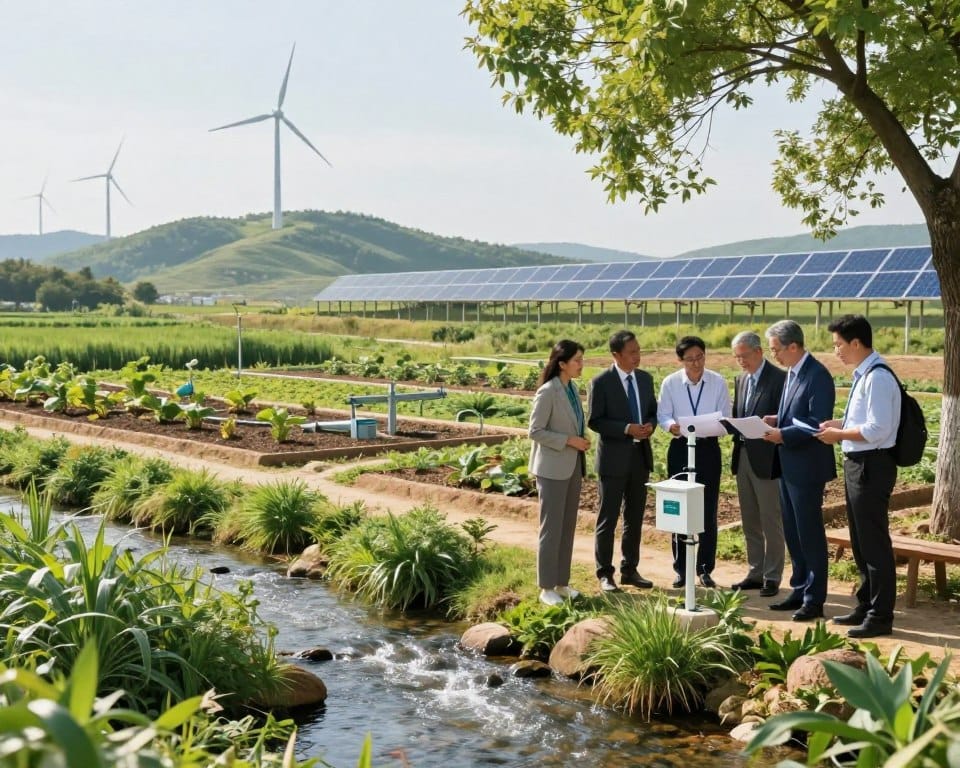
What if the most important water resource for millions of people is one they never see? This question lies at the heart of a critical environmental challenge.
Groundwater flows silently beneath our feet, forming the planet’s largest reserve of freshwater. It acts as a natural buffer against droughts and floods, yet its invisibility often leads to its neglect.
Consider Michigan, where nearly half the population relies on this hidden resource for their drinking water. Public systems and private wells serving over four million people draw from these underground reserves. Agriculture also depends heavily on this water, irrigating thousands of farms that feed communities.
Despite this deep reliance, the tools to safeguard these vital aquifers are not as widespread as the need demands. This disconnect reveals a fundamental gap in how we manage our natural resources. Effective strategies must recognize that surface water, wetlands, and subsurface aquifers are deeply connected.
This exploration examines actionable frameworks that blend science, community action, and smart management. The goal is to ensure this essential resource remains pure and abundant for generations.
Key Takeaways
- Groundwater is the world’s most abundant source of freshwater, crucial for drinking and agriculture.
- Its invisible nature often leads to inadequate safeguards, despite widespread dependence.
- Protective measures must account for the interconnection between surface and subsurface water systems.
- Successful management combines scientific understanding with practical local actions.
- Safeguarding this resource is essential for community resilience and environmental health.
Understanding Groundwater Vulnerability
The susceptibility of underground water reserves is a direct reflection of the geological tapestry and human actions on the surface. What happens above ground inevitably influences the quality of the water below.
Sources of Contamination
Multiple activities introduce harmful substances into the environment. Agricultural chemicals, industrial discharges, and leaking storage tanks are primary sources.
Septic system failures and landfill leachate also contribute significantly. These contaminants migrate downward through the soil, seeking the water table.
Role of Geologic Factors
The earth’s layers act as either a filter or a highway for pollution. Glacial deposits, which supply most wells, are highly permeable. Liquids pass through them relatively quickly.
A common misconception is that clay forms an impermeable seal. In reality, clay layers are often fractured, allowing leaks. This is especially critical in areas with Karst bedrock, where sinkholes and fractures create direct conduits to the aquifer.
This geological reality means prevention is paramount, a principle that also applies to managing risks in coastal aquifers. When a spill occurs, it is only a matter of time before it reaches the groundwater.
Implementing Policies for Protecting Groundwater
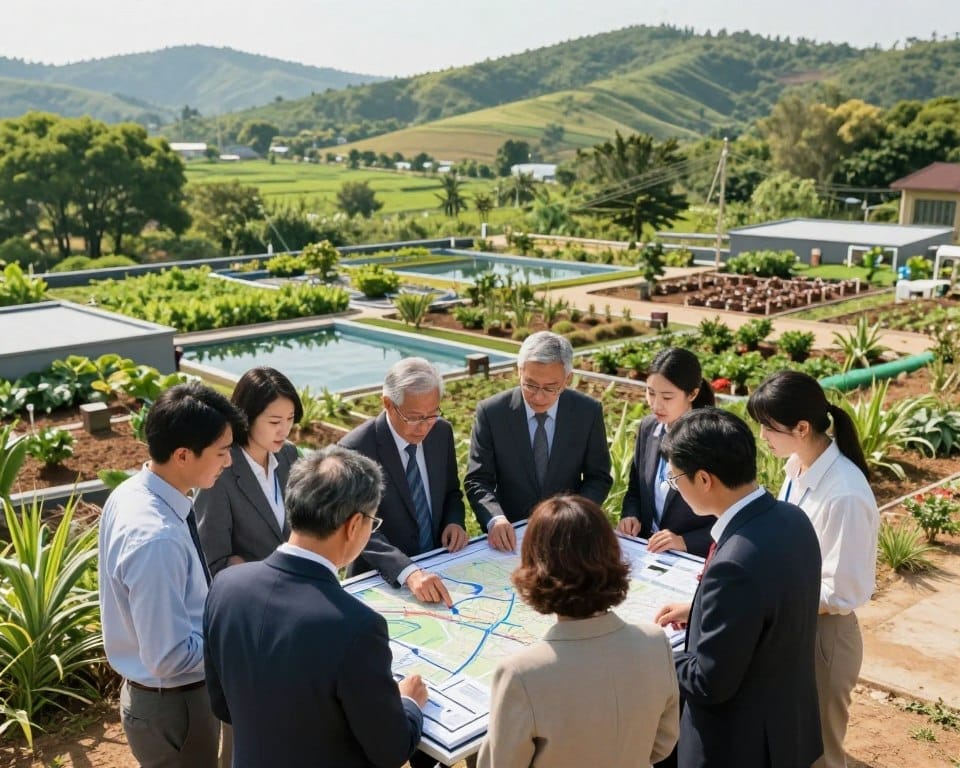
Moving beyond acknowledgment of vulnerability, successful resource stewardship demands frameworks built on foresight and integration. This strategic management approach transforms abstract value into tangible safeguards.
Strategic Policy Implementation
A foundational shift involves adopting the Precautionary Principle. This guiding idea prioritizes caution when impacts are uncertain. It acknowledges that contamination often stems from unforeseen consequences.
The transition from reactive cleanup to proactive prevention requires coordinated efforts. Federal agencies set baseline standards. State and local authorities then adapt these frameworks to regional conditions.
Effective systems integrate prevention, detection, and correction. They treat these elements as connected parts of a whole. This integrated approach recognizes that stopping pollution is far more cost-effective than fixing it later.
A revolutionary concept is cradle-to-cradle production. It redesigns manufacturing to eliminate harmful chemical emissions. This paradigm fundamentally alters industry’s relationship with water quality.
Success also hinges on transparent data. Making water quality information public creates accountability. It motivates both regulatory compliance and voluntary protective actions.
Finally, strengthening governance requires building capacity. Decision-makers often lack hydrogeological training. Educational initiatives must translate complex science into actionable policy insights.
Federal Programs and Research Overview
Three federal agencies—USGS, USDA, and EPA—orchestrate a multifaceted strategy for aquifer stewardship, each contributing unique expertise to a common goal. Their collective activities generate the critical information needed for informed management at every level.
This collaborative framework relies on distinct institutional strengths. Scientific assessment, regulatory authority, and agricultural outreach form the pillars of a national approach to a resource that transcends state boundaries.
USGS, USDA, and EPA Roles
The U.S. Geological Survey serves as the nation’s primary earth science agency. Its massive monitoring project involves approximately 160,000 wells across the country.
Data from this network flows into the WATSTORE database. This system provides foundational information on aquifer health and long-term trends.
The Environmental Protection Agency establishes and enforces standards. Its programs target prevention, detection, and correction of contamination.
The USDA focuses on the agricultural landscape. Its initiatives offer technical assistance and education to minimize risks from farming activities.
| Agency | Primary Focus | Key Activities |
|---|---|---|
| U.S. Geological Survey (USGS) | Resource Assessment & Monitoring | Operating monitoring wells, maintaining the WATSTORE database, conducting hydrological research. |
| Environmental Protection Agency (EPA) | Regulatory Standards & Enforcement | Setting water quality standards, managing underground injection control, overseeing hazardous waste programs. |
| U.S. Department of Agriculture (USDA) | Agricultural Source Management | Implementing conservation programs, providing cost-sharing incentives, promoting soil health practices. |
Research and Monitoring Initiatives
Federal research initiatives yield actionable insights. The EPA’s National Pesticide Survey, for example, tested hundreds of wells between 1988 and 1990.
It found pesticides in about 10% of community water systems. Nitrate contamination was far more pervasive, appearing in over half of the wells tested.
These findings guide ongoing management efforts. They highlight the need for continued monitoring and targeted program development to address specific contaminants.
Interagency coordination, such as the USDA’s Water Quality Initiative, aims to synthesize data. The goal is a more unified understanding of the impacts of various activities on water quality.
Local Government Strategies and Zoning Tools
The front line of defense for aquifers is not found in federal offices but in the planning and zoning departments of local communities. These entities exercise direct control over land use, the primary factor influencing water quality. This proximity to development decisions makes municipal action uniquely powerful.
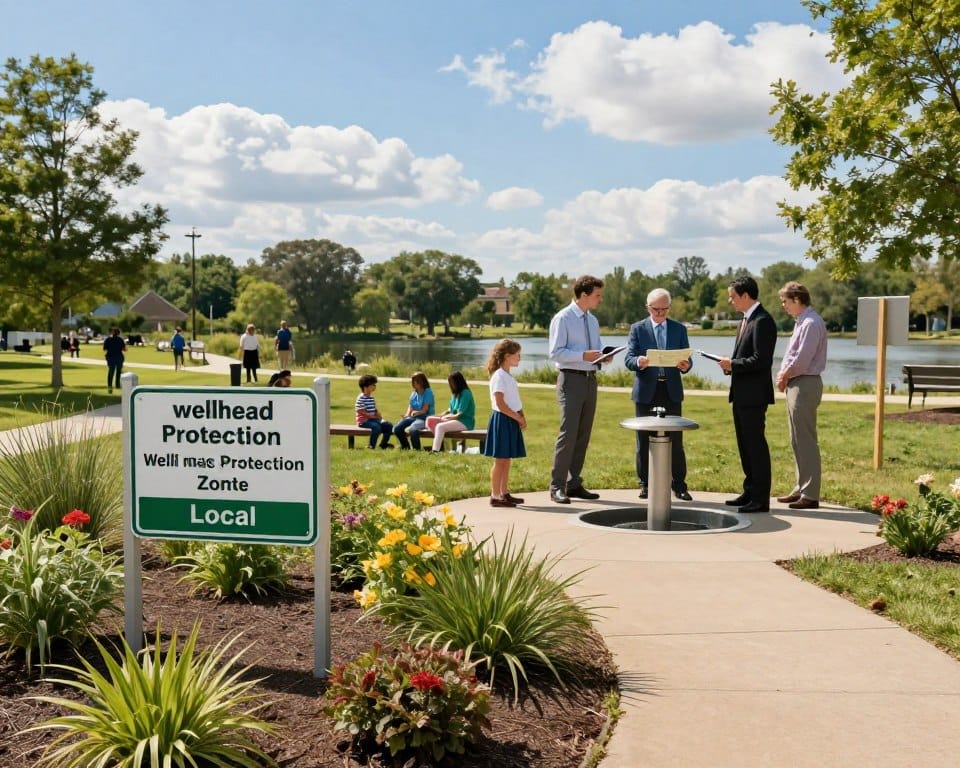
Communities reliant on public wells often initiate formal Wellhead Protection Programs. These programs begin with detailed hydrogeological studies. Hydrologists map the land area contributing water to a well, sometimes tracing the flow path back ten years.
Zoning Amendments for Protection
This mapping identifies critical zones where surface activities pose the greatest risk. The primary tool for managing these risks is the overlay zoning district. This legal framework imposes additional restrictions within designated wellhead protection areas.
Overlay zones typically create graduated levels of control. The strictest rules apply to the one-year time-of-travel zone, where contamination would reach the well most quickly. These rules can prohibit high-risk land uses, a principle that also applies to protective zoning in coastal aquifers.
Overlay Zones Around Wells
Key provisions within these zones often include:
- Site Plan Review: Mandating approval for facilities that store hazardous materials.
- Secondary Containment Design: Requiring structures like berms and sealed floors to capture spills.
- Drainage Elimination: Proventing any pathways, like drains or ditches, that could channel contaminants into the soil.
An advanced strategy, “wall-to-wall” protection, extends these standards community-wide. This approach safeguards private wells and ecological systems, acknowledging that water security is a universal need.
Integrating Surface Water, Wetlands, and Groundwater
Beneath the visible landscape flows an intricate hydrological network where surface waters, wetlands, and underground aquifers exchange life-sustaining resources in a continuous cycle. This interconnected reality demands management approaches that transcend artificial boundaries between water sources.
Linking Three Water Sources
Groundwater discharge maintains stream baseflow during dry periods and delivers essential minerals to aquatic ecosystems. This hidden source becomes visible through its influence on surface water chemistry and temperature.
Wetlands serve as critical transition zones where groundwater emerges or surface water infiltrates downward. These ecosystems function as natural filtration systems while providing sensitive indicators of water quality changes.
Contamination pathways operate bidirectionally across these interconnected systems. Surface spills can migrate downward through permeable soils, while polluted groundwater may discharge into streams and wetlands. This complex dynamic requires comprehensive management strategies that account for seasonal variations in water relationships.
Protection measures must address all three water sources simultaneously. The cool, stable temperatures of groundwater-fed streams create vital habitat for sensitive species, making integrated approaches essential for ecological integrity. Similar considerations apply to managing risks in coastal aquifer systems where multiple water sources interact.
Community Engagement and Education Initiatives
The success of aquifer stewardship ultimately rests not in regulatory frameworks alone, but in the collective consciousness and daily practices of the communities that depend on these hidden reserves. This human dimension transforms abstract scientific concepts into personally meaningful actions that safeguard drinking water quality.
Educational Campaigns
Effective community programs bridge the gap between technical complexity and daily life. Michigan State University Extension provides training that translates planning principles into practical local applications.
Interactive digital tools, like story maps funded by health agencies, make hydrogeological information accessible. Residents can visualize aquifer systems and understand contamination pathways through user-friendly interfaces.
Homeowner education addresses residential risks systematically. Campaigns cover septic maintenance, chemical disposal, and fuel tank conditions, empowering individual actions that collectively reduce threats to water supplies.
| Target Audience | Educational Focus | Delivery Method |
|---|---|---|
| Homeowners | Residential contamination prevention | Workshops, online resources, inspection programs |
| Agricultural Community | Nutrient management and conservation | Extension services, field demonstrations |
| Local Government | Zoning and ordinance development | Technical training, decision support tools |
Fire department inspections leverage existing infrastructure to identify potential contamination sources. This approach creates additional monitoring capacity without establishing new bureaucratic systems.
Incentive programs recognize voluntary protective actions, building a culture of stewardship that extends beyond regulatory requirements. These initiatives make aquifer protection a shared community value.
Technological Innovations in Groundwater Monitoring
A quiet revolution in sensor technology and data transmission is reshaping how we understand and protect subsurface water systems. These advancements move beyond traditional manual sampling, offering continuous insight into aquifer conditions.
Real-time monitoring networks employ telemetry and wireless transmission to capture immediate changes. This approach detects contamination events that periodic sampling might miss. Seasonal variations in aquifer conditions become clearly visible through constant data collection.
Real-Time Data Systems
Modern sensors measure multiple parameters simultaneously. They track water level, temperature, conductivity, and specific contaminants. This comprehensive data reveals subtle quality changes before problems escalate.
Cost-effective automated systems have reduced monitoring expenses substantially. Cellular data transmission makes comprehensive networks feasible for smaller communities. The financial barrier to effective monitoring has lowered significantly.
Innovative Assessment Tools
Data transparency through public web portals democratizes access to water information. Citizens can monitor conditions affecting private wells. Researchers analyze regional trends across jurisdictional boundaries.
Integration with geographic information systems enables spatial analysis of contamination patterns. This technology identifies source areas and tracks contaminant plumes. Remediation efforts gain objective assessment of contamination extent.
Early warning systems trigger automated alerts when parameters exceed threshold values. Rapid response becomes possible before affected water reaches distribution systems. This proactive approach represents a fundamental shift in water security standards.
Federal Statutes: Legal Frameworks for Water Protection
Four landmark statutes create intersecting layers of regulatory authority that collectively address different facets of water quality protection. These legal instruments establish the foundation upon which federal, state, and local efforts build comprehensive safeguards.
Clean Water and Safe Drinking Water Acts
The Clean Water Act initially focused on surface water quality with ambitious “fishable and swimmable” standards. Its 1987 amendments expanded attention to nonpoint-source pollution affecting underground sources.
The Safe Drinking Water Act authorizes Maximum Contaminant Levels for public water systems. It establishes the Wellhead Protection Program, requiring states to delineate capture zones around public supply wells.
This program inventories potential contamination sources within these critical areas. It implements management measures to prevent pollutants from reaching drinking water supplies.
RCRA and CERCLA Guidelines
The Resource Conservation and Recovery Act establishes a cradle-to-grave system for hazardous waste management. It mandates permits for treatment, storage, and disposal facilities.
RCRA sets technical standards for landfill design and groundwater monitoring. It requires corrective action when contamination is detected in aquifer systems.
CERCLA, known as Superfund, provides authority to clean up abandoned hazardous waste sites. The program prioritizes the most severely contaminated locations on the National Priority List.
These statutes work together to create a multi-layered defense system. They address different stages of potential contamination from prevention through remediation.
Sustainable Agricultural Practices and Chemical Management
Agricultural operations, while feeding nations, simultaneously engage in a silent dialogue with the aquifers that sustain them. This relationship requires careful stewardship of both soil health and chemical applications.
Modern farming methods can significantly impact underground water quality. Strategic management approaches help balance productivity with environmental responsibility.
From Field to Ground: Reducing Risks
Precision agriculture technologies represent a major advancement in chemical use reduction. GPS-guided equipment applies fertilizers only where needed, matching application rates to specific soil conditions.
Nutrient management planning ensures fertilizers meet crop requirements without excess. Soil testing guides applications, preventing nitrogen leaching into water systems.
Ecological Approaches in Agriculture
Cover cropping and crop rotation build soil organic matter naturally. These practices enhance nutrient retention, reducing chemical migration to aquifers.
Buffer strips along field edges intercept runoff before it reaches water sources. Perennial vegetation utilizes natural processes to filter potential contaminants.
Integrated pest management strategies minimize pesticide applications. This approach combines biological controls with targeted chemical use when necessary.
Broader Impacts: Economic, Ecosystem, and Community Benefits
The true value of unseen water reserves extends far beyond their immediate utility, weaving through economic stability, ecological vitality, and community resilience. These interconnected benefits create a compelling case for comprehensive stewardship approaches.
Protecting Community Water Supplies
In Michigan alone, nearly half the population relies on underground sources for their daily needs. Public systems serve approximately 1.7 million residents, while 2.6 million people depend on private wells.
This widespread dependence makes aquifer protection essential infrastructure. Maintaining pure drinking water supplies supports property values and business operations requiring high-quality process water.
Ecosystem services flourish when underground sources remain uncontaminated. Groundwater-fed streams maintain cool temperatures critical for fish habitats. Wetlands function as natural filtration systems, improving overall water quality.
Contamination remediation often costs millions per site, with some plumes requiring decades of treatment. Prevention proves dramatically more cost-effective than cleanup efforts. Some pollution events cause irreversible damage to aquifer systems.
Community water security encompasses both quantity and quality dimensions. Protection measures ensure reliable access to safe drinking water, preserving this fundamental resource for future generations.
Conclusion
Effective management of underground water systems demands a symphony of coordinated actions across multiple governance levels. This integrated approach combines federal frameworks with local implementation, technological monitoring with community engagement.
The hidden nature of aquifers presents a unique challenge, where contamination may remain undetected for years. This reality underscores the vital importance of precautionary measures that prevent problems before they emerge.
Future success will require addressing emerging contaminants through adaptive governance systems. The pathway forward integrates scientific understanding with practical actions, ensuring these essential resources remain pure for generations.