What if the most vital resource for life could speak, telling us exactly what it needs and when it’s in danger?
This question lies at the heart of a quiet revolution transforming how societies steward their freshwater. Across the United States, aging systems face immense pressure from climate extremes and growing demand. These challenges reveal the limitations of traditional approaches, creating an urgent need for smarter solutions.
Smart water infrastructure represents this necessary evolution. It integrates advanced sensors and data analytics into distribution networks. This creates a responsive, adaptive system capable of meeting 21st-century demands for reliability and safety.
Framed within the broader context of environmental stewardship, this modern paradigm moves beyond simple maintenance. It cultivates a deeper, more intelligent relationship with our hydrological foundations, safeguarding communities and ecosystems alike.
Key Takeaways
- Freshwater systems globally face unprecedented challenges from aging components and climate pressures.
- Traditional management methods are often insufficient for modern demands on reliability and safety.
- Smart technologies integrate sensors and data analytics to create responsive water networks.
- This approach represents an essential evolution in resource stewardship, not merely an optional upgrade.
- Effective oversight protects public health and sustains industrial and ecological systems.
- The transformation towards intelligent systems addresses both current vulnerabilities and future uncertainties.
The Evolution of Water Management Practices
Human civilization’s relationship with freshwater has undergone profound transformations, from ancient aqueducts to today’s complex networked systems. This journey reflects changing technological capabilities and growing societal demands on essential resources.
Modern Challenges in Water Systems
Contemporary water utilities face unprecedented pressures. Aging infrastructure installed decades ago struggles to meet current population demands and climate realities.
Thames Water, the UK’s largest utility, carries £19 billion in debt while facing regulatory fines. Across the Atlantic, American systems require $625 billion in improvements for 2.2 million miles of aging pipes.
Cities like Flint, Michigan and Jackson, Mississippi demonstrate the human consequences of neglected systems. Contaminated supplies and service failures erode public trust in essential utilities.
| Aspect | Historical Approach | Modern Reality | Impact |
|---|---|---|---|
| System Design | Gravity-fed, manual valves | Pressure-based networks | Increased complexity |
| Maintenance | Reactive repairs | Preventive strategies | Reduced failures |
| Data Collection | Manual readings | Automated meter systems | Real-time insights |
| Climate Adaptation | Historical patterns | Extreme weather readiness | Enhanced resilience |
From Legacy Systems to Digital Innovations
The transition represents more than technological upgrade. It signifies a fundamental reimagining of resource stewardship.
Utilities historically dependent on periodic inspections now embrace interconnected data systems. This shift addresses both current vulnerabilities and future uncertainties in water supply management.
Climate change compounds existing challenges, with drought stressing western resources while coastal regions face flooding risks. The evolution toward intelligent systems offers pathways to resilient, sustainable management.
Understanding Digital Monitoring of Water Infrastructure
Contemporary stewardship of essential resources demands more than periodic inspections—it requires continuous conversation with the system itself. This approach represents a fundamental shift from reactive maintenance to predictive intelligence.
What It Means for Water Utilities
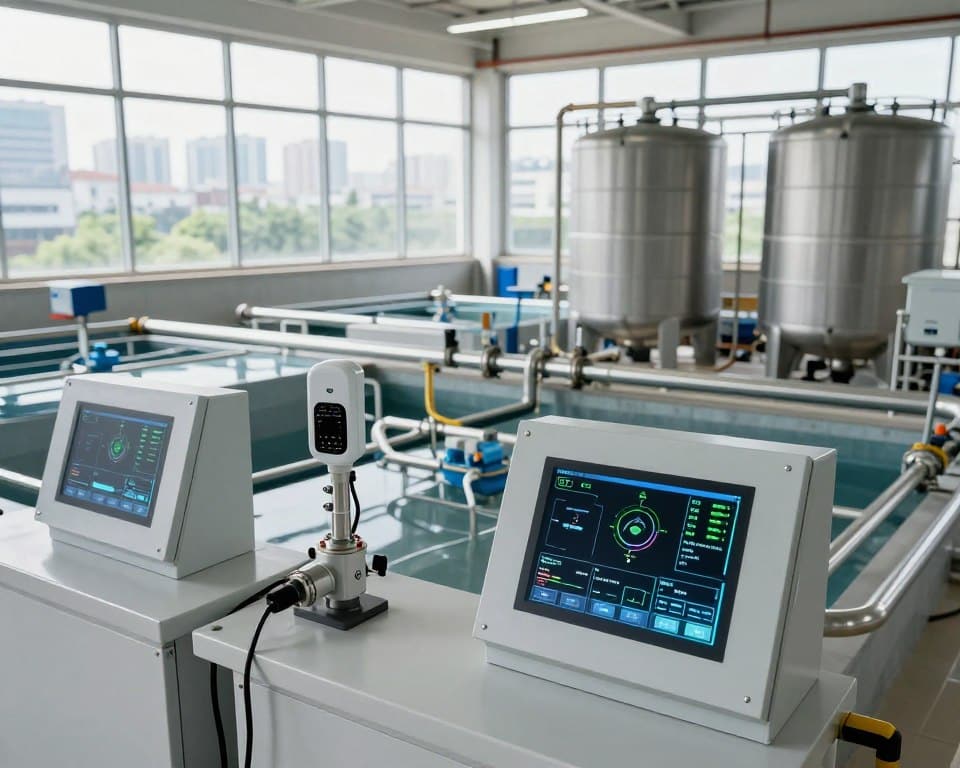
For organizations managing distribution networks, this transformation redefines operational workflows. Instead of relying on manual sampling, staff gain access to continuous data streams.
The platform serves as a central nervous system, consolidating information from various sources. This integration enables holistic understanding previously impossible with fragmented approaches.
Benefits Over Traditional Methods
Immediate anomaly detection represents a significant advantage over legacy systems. Rapid leak identification reduces losses while optimizing resource allocation.
Continuous influent monitoring allows for treatment process optimization. Automated documentation enhances regulatory compliance while protecting public health.
These tangible operational benefits justify investment in technological transformation. The shift empowers utilities to move from reactive problem-solving to proactive management.
Core Technologies Powering Smart Water Infrastructure
The architecture of modern resource management rests upon an intricate web of interconnected technologies that breathe intelligence into once-static systems. These innovations transform traditional networks into responsive ecosystems capable of self-regulation and predictive maintenance.
Role of IoT Sensors and Real-Time Data
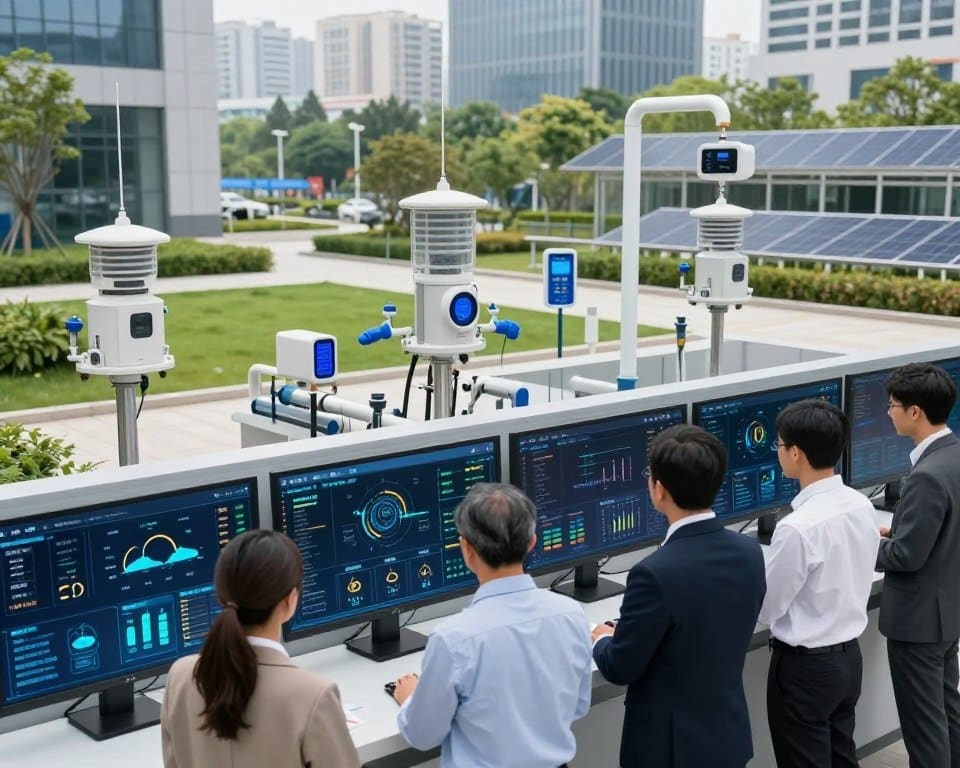
Miniaturized sensors embedded throughout distribution networks serve as the foundational layer of intelligent oversight. These devices continuously measure parameters including flow rates, pressure levels, and quality indicators.
IoT components transmit information across wireless protocols to centralized platforms. This creates a continuous data stream that enables rapid anomaly detection and response.
Different sensor technologies address specific monitoring needs. Acoustic devices identify pipe failures through sound analysis. Electrochemical probes track pH and contaminant levels with precision.
| Sensor Type | Primary Function | Key Benefits | Common Applications |
|---|---|---|---|
| Acoustic Leak Detectors | Sound wave analysis | Early failure identification | Pipe network monitoring |
| Smart Meters | Consumption tracking | Granular usage data | Residential/commercial billing |
| Pressure Sensors | Flow regulation | System optimization | Distribution network control |
| Quality Probes | Contaminant detection | Safety assurance | Treatment plant output |
Harnessing Digital Twins, AI, and Machine Learning
Advanced analytical technologies extract profound insights from sensor data streams. Machine learning algorithms identify patterns invisible to human observation, predicting equipment failures before they occur.
Digital twin technology creates virtual replicas of physical systems. Platforms like waterCAST Sewer demonstrate how AI is changing water quality monitoring by simulating operational scenarios and identifying potential collapse conditions.
These analytical capabilities enable utilities to test response strategies in virtual environments. The synergy between data collection and interpretation achieves operational insight unattainable through legacy approaches.
Data Analytics and Decision-Making in Water Utilities
Beneath the surface of modern utility management, a quiet analytical revolution is turning information into foresight. This process moves beyond simple data collection to create a foundation for strategic, evidence-based choices.
Advanced platforms consolidate streams from numerous sources. These include SCADA systems, GIS databases, and smart meter networks.
Transforming Raw Data into Actionable Insights
The journey from raw numbers to comprehensible intelligence is central to modern stewardship. Sophisticated algorithms sift through vast quantities of sensor readings and lab results.
They identify subtle patterns and correlations that signal emerging issues. This analytical power enables a shift from reactive problem-solving to proactive management.
- Leak detection algorithms compare expected versus actual flow patterns.
- Quality analytics track contaminant levels against safety thresholds.
- Consumption analysis identifies unusual usage indicating potential problems.
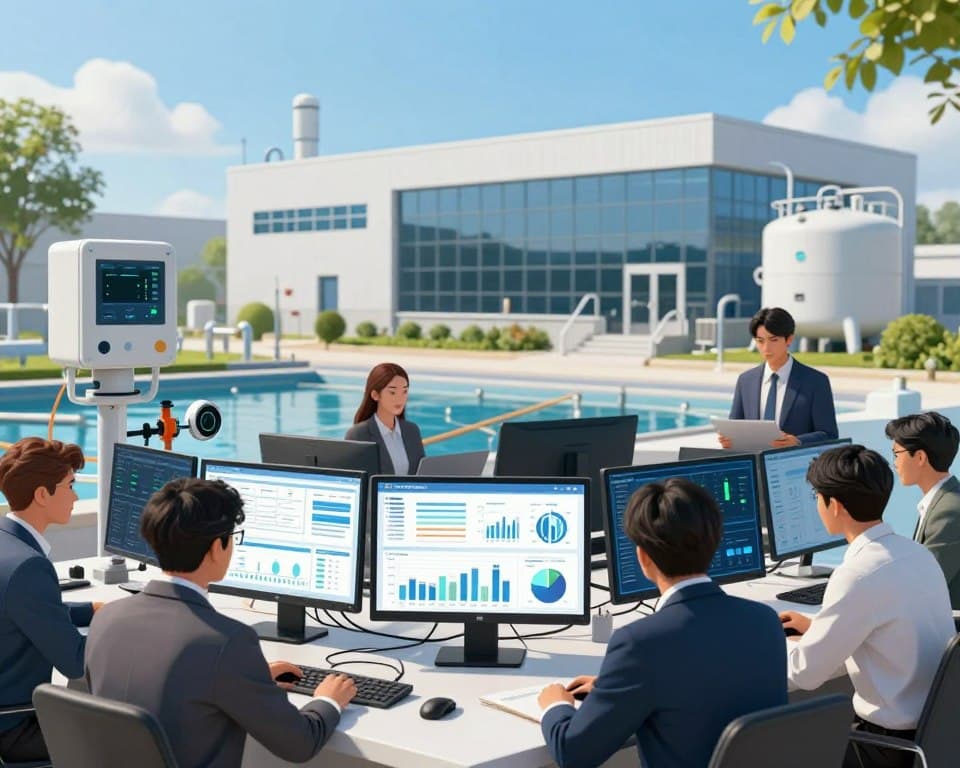
Platforms like waterCAST WQ demonstrate this capability. They instantly validate laboratory results, accelerating response times and enhancing reliability.
Optimizing Treatment Plants and Operations
These analytical capabilities find profound application within treatment facilities. Real-time data allows for precise adjustments to chemical dosing based on continuous influent quality.
In wastewater treatment, aeration systems can be optimized. This minimizes energy use while maintaining strict effluent standards.
Predictive modeling forecasts demand based on weather and seasonal patterns. This ensures resources are allocated efficiently, leading to more resilient and cost-effective operations.
Integrating Digital Solutions with Existing Systems
For utility managers, the most pressing question is often not what new technology to adopt, but how to weave it into the existing operational fabric. This integration phase is crucial, demanding a careful balance between innovation and continuity.
Modern platforms are designed for this very purpose. They act as unifying layers, connecting to diverse data sources like SCADA, GIS, and even legacy spreadsheets.
Overcoming Compatibility Challenges
The path to integration is seldom smooth. Incompatible communication protocols between older equipment and new IoT devices create significant hurdles. Data format inconsistencies further complicate seamless information exchange.
Utilities employ clever strategies to bridge these gaps. Middleware solutions translate between different system languages. Phased implementation introduces new components gradually.
API-based architectures enable diverse software to communicate through standardized interfaces. This approach preserves valuable historical data while enabling powerful new analytical capabilities.
Beyond technical hurdles, successful implementation requires managing organizational change. Training and workflow adjustments are essential for staff to trust and utilize new tools effectively.
Operational Efficiency and Cost Savings
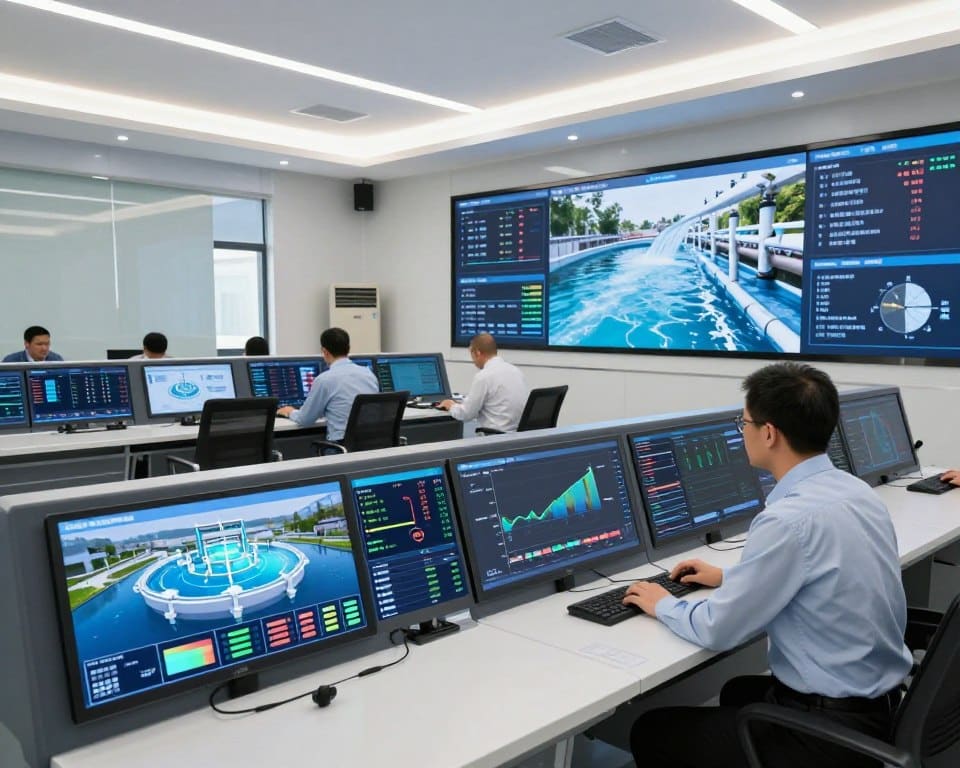
Beyond technological fascination lies a pragmatic reality: smart systems deliver measurable returns on essential investments. These platforms transform stewardship from reactive maintenance to predictive optimization, yielding tangible improvements across utility operations.
Reducing Water Losses and Improving Quality
Continuous oversight dramatically minimizes non-revenue liquid losses. Advanced sensors detect pressure anomalies indicating leaks within hours rather than weeks.
This rapid identification enables targeted repairs before major pipe failures occur. Real-time quality tracking immediately flags contamination events, protecting public health.
| Aspect | Traditional Approach | Smart System Impact | Outcome |
|---|---|---|---|
| Leak Detection | Visual inspections | Automated pressure analysis | 60% faster response |
| Quality Assurance | Manual sampling | Continuous sensor tracking | Immediate contamination alerts |
| Chemical Usage | Fixed dosing schedules | Demand-based optimization | 15-20% reduction in costs |
| Energy Consumption | Constant pumping | Predictive demand modeling | Optimized energy use |
Streamlining Maintenance and Compliance
Predictive analytics transform asset management from calendar-based schedules to condition-focused interventions. Continuous equipment monitoring identifies degradation patterns signaling impending failures.
This approach prevents costly emergency repairs while avoiding unnecessary servicing. Automated compliance documentation creates audit trails demonstrating regulatory adherence, reducing administrative burdens significantly.
Utilities thereby achieve superior resource management while meeting stringent environmental standards. The resulting operational excellence justifies strategic modernization investments through concrete financial returns.
Enhancing Security and Reliability in Water Monitoring
As networks of sensors and analytical platforms create unprecedented oversight capabilities, they also construct potential pathways for intrusion and disruption. This dual nature of connectivity demands comprehensive protective strategies that safeguard both information and operational continuity.
Implementing Data Security Best Practices
Modern platforms employ multilayered security architectures to protect sensitive information. Encryption protocols secure transmission between collection points and central systems.
Authentication mechanisms verify user identities before granting access. Network segmentation isolates critical operational technology from broader IT environments.
Utilities evaluate vendor security through frameworks like SOC 2 compliance assessments. These verify that service providers implement appropriate controls for data handling and storage.
Safeguarding Critical Infrastructure
Beyond data protection, physical and operational security considerations ensure continuous service. Redundancy architectures maintain oversight even during primary system failures.
Backup communication pathways preserve connectivity during network disruptions. Incident response protocols enable rapid recovery from security breaches.
The balance between connectivity and isolation requires careful management. Secure remote access provides operational flexibility while maintaining protection for core control systems.
Future Trends and Global Perspectives
The horizon of water stewardship reveals a landscape where technological foresight meets environmental necessity. This emerging paradigm addresses intensifying pressures from climate volatility and aging physical systems.
Adapting to Climate Change and Aging Infrastructure
Contemporary management faces twin challenges: deteriorating components and extreme weather patterns. Digital technologies enable utilities to maximize performance from existing assets.
Precise condition assessment identifies deterioration before catastrophic failure occurs. Strategic rehabilitation prioritization extends system lifespan significantly.
The City of New Bedford implemented a digital twin solution for proactive weather preparation. This approach optimizes operations while ensuring regulatory compliance.
Innovations in Predictive Maintenance and Emergency Response
Advanced machine learning algorithms recognize subtle patterns signaling equipment failures months in advance. Robotic inspection systems navigate pipelines without excavation.
Royal HaskoningDHV’s Nereda technology demonstrates future possibilities. It achieves 50% energy cost reductions across 90 wastewater treatment plants globally.
These innovations represent essential adaptation for achieving resilient, sustainable operations. They transform reactive maintenance into predictive intelligence.
Conclusion
Effective stewardship in the 21st century demands an integrated approach that combines technological innovation with organizational adaptation. The transformation toward intelligent systems addresses both current vulnerabilities and future uncertainties in essential resource management.
Successful implementation requires more than acquiring advanced tools. It demands organizational commitment to workforce development and security vigilance. Utilities must cultivate cultures of continuous learning to thrive amid persistent challenges.
Smart solutions like advanced metering systems represent evolutionary stages in ongoing adaptation. These technologies serve the essential goal of ensuring reliable, safe access for communities.
The ultimate objective remains clear: leveraging innovation to fulfill vital missions with greater efficiency and resilience. This balanced approach creates sustainable pathways for meeting complex demands.