
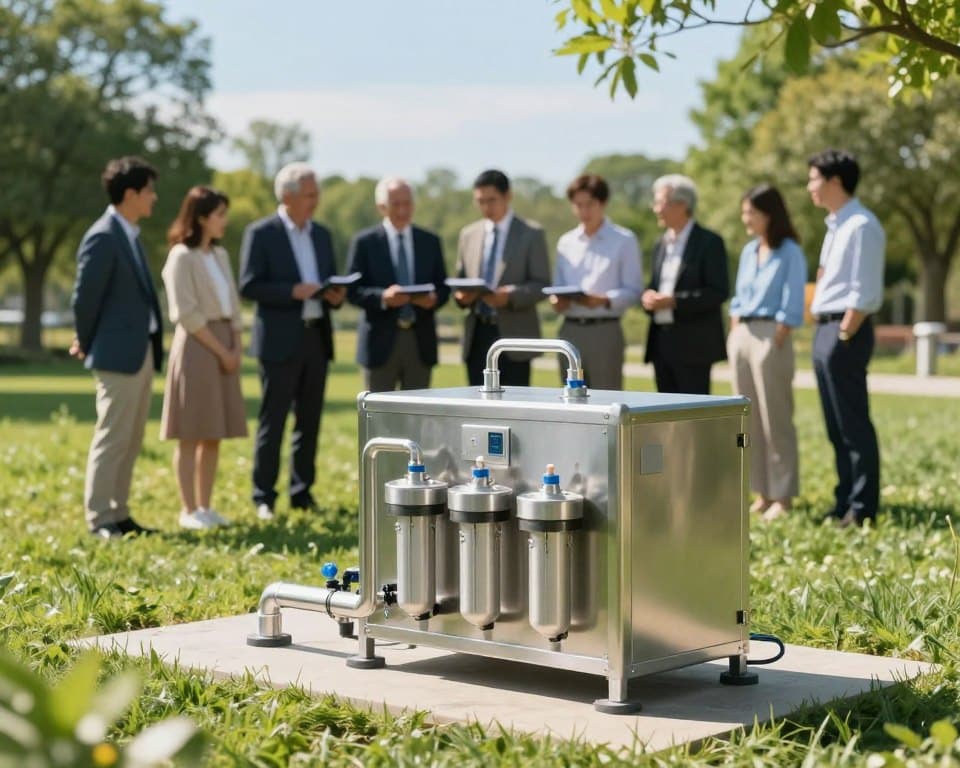
What if the most effective way to protect our environment and public health lies not in massive, centralized plants, but in smaller, localized solutions? This question challenges the conventional wisdom of large-scale infrastructure.
For over two million Americans, primarily in rural areas, proper wastewater infrastructure is a distant reality. This gap represents a critical concern for communities and the natural world.
Localized approaches manage effluent close to where it is generated. This method aims to substantially reduce health and environmental hazards by treating and reusing water nearby.
This exploration delves into the balance between technological capability and ecological wisdom. It investigates how these localized systems intersect with broader environmental health imperatives.
Key Takeaways
- Over two million Americans lack access to adequate wastewater infrastructure.
- Localized systems treat effluent at or near its source of generation.
- The primary goals are protecting public health and the natural environment.
- This approach is often vital for rural and remote communities.
- Understanding the pros and cons requires examining technical, economic, and social factors.
Understanding Decentralized Water Treatment Systems
Across rural America and beyond, a different approach to handling wastewater is taking root—one that operates close to the source rather than transporting effluent across great distances. These installations, often called DEWATS (Decentralized Wastewater Treatment Systems), represent a fundamental shift in infrastructure philosophy.
The core principle involves managing effluent within or near its generation point. This localized strategy significantly reduces the need for extensive sewer networks and energy-intensive pumping stations that characterize traditional approaches.
These solutions operate across multiple scales, adapting to specific community needs and geographical constraints. Individual properties might employ on-site technologies, while neighborhood clusters could share vacuum sewer systems serving gated communities.
Suburban developments might implement package treatment plants designed for institutional campuses. Each configuration represents a distinct point along the spectrum of technological sophistication, chosen based on demographic density and environmental conditions.
Flow patterns in these installations differ markedly from centralized facilities. They experience significant daily fluctuations and lower volumes, requiring technologies that maintain effectiveness despite variable hydraulic loading.
The proximity-based nature of this management creates unique opportunities for resource recovery. Communities can reclaim irrigation water, extract nutrients for agricultural use, and generate biogas from organic decomposition.
Understanding these approaches requires recognizing their purpose-driven design. They represent optimized solutions for contexts where population distribution, topography, or economic factors make conventional infrastructure impractical.
Comparing Decentralized and Centralized Wastewater Approaches
Two distinct infrastructural philosophies have emerged in response to America’s varied geography and settlement patterns, each with profound implications for environmental stewardship. The choice between these approaches represents a fundamental decision about how communities manage their relationship with natural water cycles.
Key Differences in Infrastructure
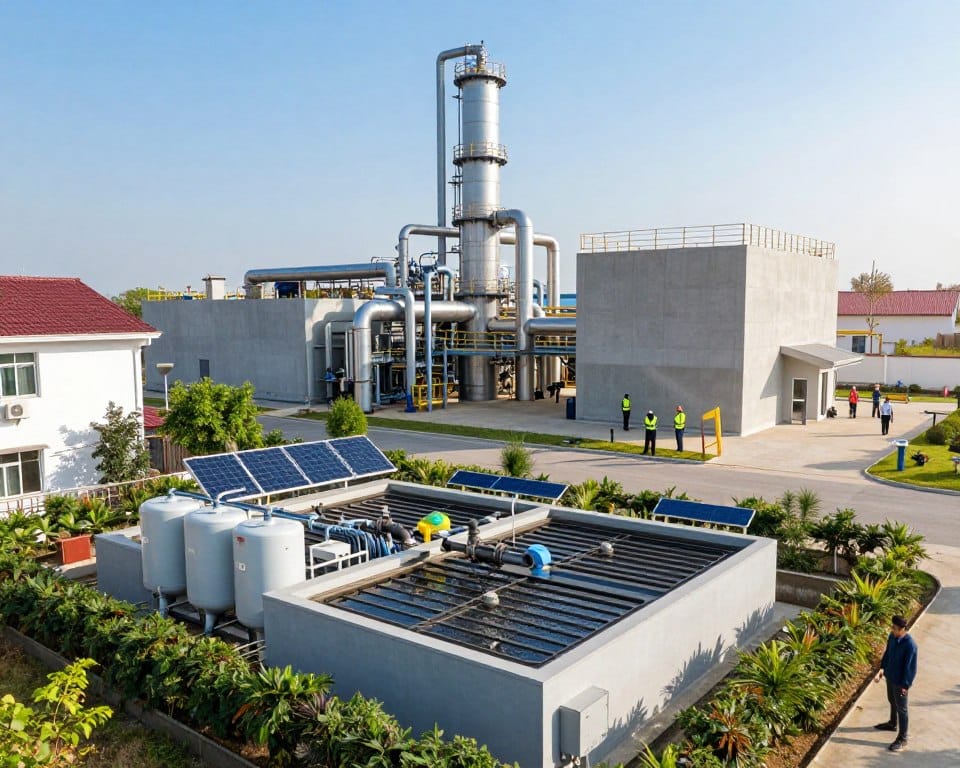
Centralized systems rely on extensive pipeline networks that aggregate effluent across entire metropolitan regions. These massive conveyance structures require substantial capital investment in gravity sewers and pumping stations.
In contrast, distributed wastewater approaches position treatment capacity near generation points. This spatial reorganization minimizes conveyance distances, reducing energy consumption and infrastructure vulnerability.
Impact on Environmental and Public Health
Centralized wastewater treatment facilities offer economies of scale and professional oversight. However, they concentrate discharge at single points, potentially overwhelming receiving water bodies during high-flow events.
Distributed systems spread environmental impact across broader landscapes. This distribution reduces localized stress on aquatic ecosystems but creates monitoring challenges for regulatory agencies overseeing numerous small installations.
The public health implications reveal complex tradeoffs. Centralized approaches provide uniform treatment quality but risk catastrophic failure when collection networks malfunction. Distributed installations offer redundancy through distribution but require vigilant oversight of multiple potential contamination sources.
Design and Operational Aspects of Decentralized Wastewater Treatment
Technical planning and operational execution form the foundation of reliable small-scale wastewater management solutions. These installations require comprehensive analysis of local conditions to ensure effective performance.
Technical Design Considerations
Engineering design demands thorough site assessment. Soil permeability, groundwater levels, and climate patterns directly influence technology selection.
Different approaches serve distinct needs. Infiltration systems rely on natural soil filtration, while contained technologies use engineered biological processes.
| System Type | Key Features | Land Requirements | Maintenance Needs | Climate Suitability |
|---|---|---|---|---|
| Infiltration-based | Soil filtration, simple operation | Moderate area for dispersal | Periodic inspection | Various climates |
| Nature-based | Ecological processes, passive treatment | Substantial surface area | Minimal oversight | Warmer regions |
| Engineered package plants | Multiple treatment stages, compact design | Minimal footprint | Professional maintenance | All climates |
Operational Best Practices
Regular maintenance protocols prevent system failures. Scheduled inspections and effluent monitoring identify issues before they escalate.
Flow variability presents operational challenges. Equalization storage and flexible processes accommodate daily and seasonal changes.
Professional oversight ensures consistent performance. Remote monitoring and service contracts provide necessary support for complex installations. Proper water purification equipment selection complements these operational strategies.
Resource Recovery in Decentralized Water Treatment Systems
Progressive environmental engineering now views domestic and industrial effluent through a lens of opportunity rather than liability, extracting multiple benefits from what was once considered waste. This perspective transforms wastewater management into a resource-generating process.
Innovative Water Reuse Strategies
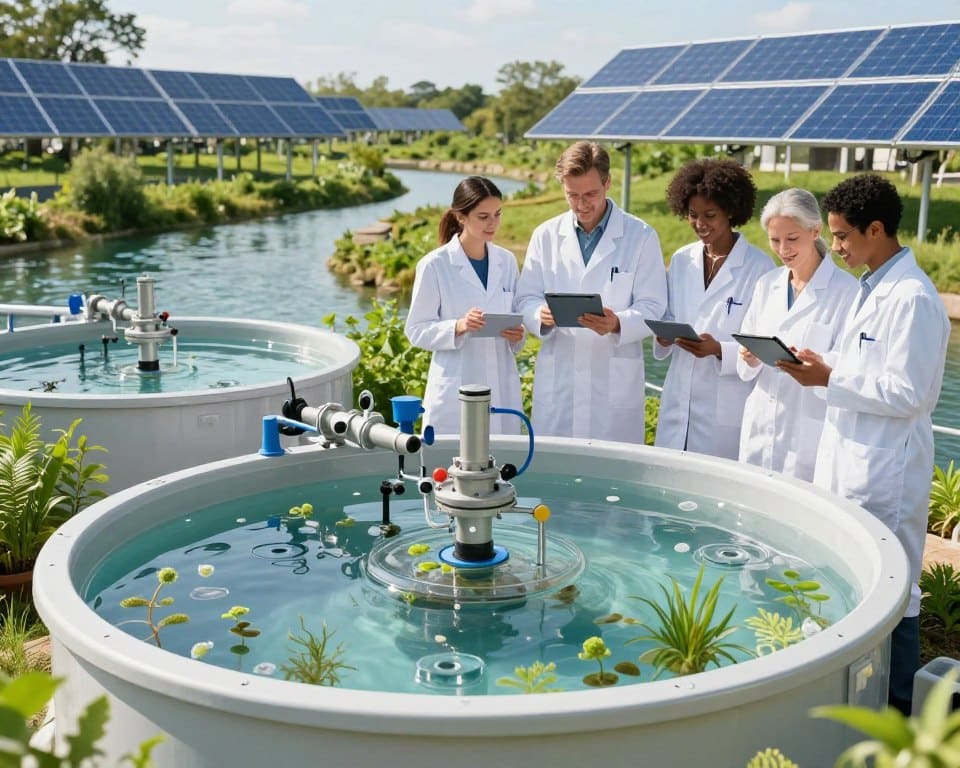
Modern decentralized wastewater approaches prioritize multiple forms of recovery. They capture purified liquid for irrigation, extract nutrients for agriculture, and generate renewable energy.
Treated wastewater finds practical application in landscape maintenance and industrial processes. This reuse significantly reduces freshwater demand, particularly in regions facing drought challenges.
Source separation techniques enhance recovery efficiency. By segregating different wastewater streams, systems can apply targeted treatment levels matched to specific reuse requirements.
These resource-focused strategies contribute substantially to environmental sustainability. They represent a circular approach to infrastructure that benefits both communities and ecosystems.
Applications and Real-World Examples
Case studies from multiple continents illustrate the adaptability of distributed sanitation infrastructure. These implementations reveal how context-specific solutions address unique environmental and social challenges across diverse landscapes.
Case Studies from Rural and Urban Settings
BORDA’s DEWATS technology demonstrates international wastewater management applications. This approach employs anaerobic baffled reactors followed by constructed wetlands across South Asian and African communities.
The Botswana Technology Centre installation serves institutional buildings through multi-stage treatment processes. Effluent reuse for irrigation highlights resource recovery potential, though operational experience revealed design considerations for rainfall patterns.
EcoSwell’s work in Peru’s arid Lobitos district integrates communal biodigesters with greywater recycling. This comprehensive approach addresses water stress through dry toilets and constructed wetlands.
Urban applications show retrofit potential where existing infrastructure faces capacity constraints. Distributed installations provide interim solutions during development phases, preventing public health risks.
Hybrid configurations combine centralized collection with localized treatment for institutional campuses. These implementations balance infrastructure costs with operational oversight requirements.
Challenges and Maintenance Considerations
The long-term viability of localized effluent management approaches rests upon a foundation of consistent upkeep and technical vigilance. Unlike centralized facilities with dedicated professional staff, these distributed installations often depend on individual property owners or community associations.
Regular maintenance protocols span from simple inspections to complex procedures like septic tank pumping and component replacement. When tasks are deferred, systems face potential failure, releasing partially treated wastewater into the environment.

Technical knowledge deficits present persistent challenges, particularly in rural areas where specialized expertise may be scarce. Extended response times for repairs increase the probability of minor issues escalating into system failures.
Failure scenarios carry significant public health and environmental consequences. Inadequate design, improper installation, or deferred maintenance can contaminate groundwater and surface resources.
Regulatory oversight becomes complex with numerous small installations. Environmental agencies must develop risk-based inspection protocols and certification programs for service providers.
Community engagement emerges as a critical factor for success. Property owner education and maintenance cooperatives help ensure consistent operation. Understanding proper water quality management principles supports these collective efforts.
Hydraulic overloading and solids accumulation represent common failure mechanisms. Establishing and adhering to pumping schedules based on usage patterns prevents cascading problems throughout the treatment process.
Economic and Social Implications of Decentralized Solutions
Beyond technical specifications, the financial and social dimensions of sanitation solutions shape community viability and environmental outcomes. These considerations reveal how infrastructure choices influence rural development and public health protection.
Cost Benefits in Rural Areas
Distributed approaches offer compelling economic advantages for low-density areas. Energy consumption studies show 58% reduction compared to centralized facilities.
This efficiency translates to operational savings while maintaining wastewater treatment quality. The table below compares key economic factors:
| Economic Factor | Centralized Approach | Decentralized Approach | Rural Advantage |
|---|---|---|---|
| Infrastructure Cost | $200-400/linear foot | $10,000-30,000/system | Lower capital investment |
| Energy Consumption | 0.873 kWh/m³ | 0.363 kWh/m³ | 58% reduction |
| Job Creation | Centralized urban jobs | Distributed local employment | Community economic stimulation |
| Maintenance Costs | Professional staff required | Local service providers | Regional economic benefits |
Empowering Local Communities
Social benefits extend beyond functional sanitation to community empowerment. Local control enables tailored solutions for specific population needs.
This autonomy fosters environmental stewardship and collective action. Communities develop enhanced decision-making capacity for sustainable development.
Public health improvements reduce medical costs and increase productivity. Quality of life enhancements support rural community viability and social cohesion.
Innovative Technologies and Future Trends
Emerging technological frontiers are reshaping how communities approach sanitation, blending advanced engineering with ecological sensitivity. These developments represent significant progress beyond traditional methods, offering enhanced performance and environmental benefits.
Advanced Treatment Technologies
Membrane bioreactor systems exemplify this technological evolution. They combine biological processes with ultrafiltration membranes, producing exceptionally clean effluent suitable for agricultural reuse.
Sensor integration and remote monitoring capabilities are transforming system management. Wireless platforms enable continuous performance tracking, allowing predictive maintenance rather than reactive responses.
Nature-based solutions continue to advance through hybrid constructed wetland configurations. These systems optimize treatment across varying conditions while enhancing microbial habitats.
Policy Initiatives and Funding Trends
Federal programs like the EPA-USDA “Closing America’s Wastewater Access Gap Community Initiative” target underserved rural areas. This reflects growing recognition of distributed infrastructure as legitimate public investment.
State-level commitments demonstrate substantial political will. Texas allocated $1 billion for infrastructure upgrades, while Florida’s $240 million program supports strategic conversions where appropriate.
The Clean Water State Revolving Fund provides low-interest financing for advanced implementations. Collaborative frameworks accelerate adoption of best practices while harmonizing regulatory requirements across jurisdictions.
Conclusion
Localized solutions represent more than technical alternatives—they embody a philosophy of place-based stewardship. This approach to wastewater management recognizes that effective infrastructure must harmonize with local ecology and community values.
The potential of decentralized wastewater treatment lies in its adaptability. These systems offer a sustainable way forward for communities seeking greater control over their environmental footprint.
Properly implemented decentralized wastewater systems can transform rural landscapes. They demonstrate how thoughtful infrastructure supports both public health and ecological balance.
As technology advances, these distributed treatment facilities will continue evolving. They represent a promising path toward more resilient and responsive wastewater management for diverse American communities.