
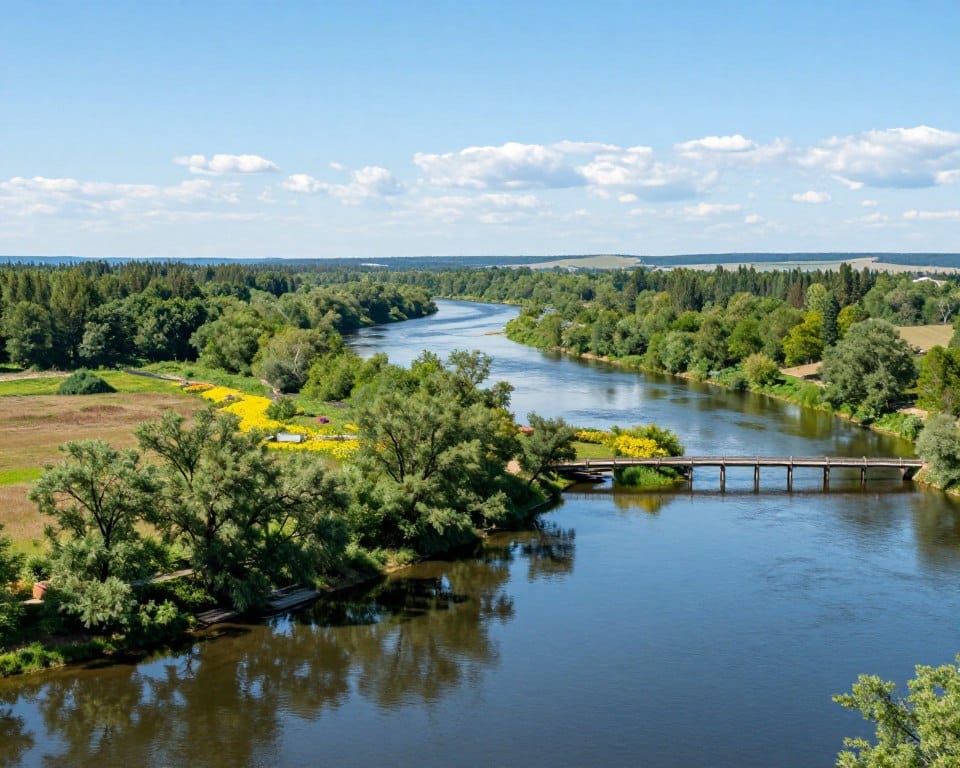
What if the most critical resource for life on Earth was also one of the greatest sources of potential international conflict? Rivers, lakes, and aquifers pay no heed to the political lines drawn on maps, creating a complex web of interdependence for more than half the global population.
This reality makes international cooperation not just a diplomatic goal but a fundamental necessity for survival. The delicate balance of shared resources requires careful management to sustain agriculture, energy, and ecosystems across nations.
These formal pacts serve as the essential frameworks that navigate competing national interests. They aim to ensure reliable access to acceptable quality and quantity for health, livelihoods, and production in an era of rising demand and climate disruption.
Key Takeaways
- Over half of humanity relies directly on freshwater sources that cross national boundaries.
- Effective management of these shared resources is crucial for global water security.
- Formal pacts provide the structure for navigating complex interdependencies between upstream and downstream nations.
- Water security encompasses reliable availability, acceptable quality, and sufficient quantity for communities and ecosystems.
- Successful cooperation balances competing needs for agriculture, energy, industry, and environmental health.
- Climate change and growing populations are increasing the pressure on these vital international systems.
Historical Foundations and Treaty Origins
Modern binational river management finds its roots not in peace, but in the aftermath of war, where new borders created immediate hydrological dilemmas. The 1848 Treaty of Peace and Friendship established a political boundary that abruptly dissected the Rio Grande, transforming a natural flow into a subject of international law.
The 1848 Treaty & 1906 Convention
The first systematic effort to codify sharing principles arrived with the 1906 Convention. This pact focused specifically on the Rio Grande, allocating flows between the two states. Its scope, however, was narrow, addressing only a specific segment of the river system.
Vast stretches of the watershed remained without clear bilateral governance. This initial framework, while groundbreaking, soon revealed its limitations as demands grew over time.
The Evolution to the 1944 Treaty
Decades of agricultural and population expansion exposed the inadequacies of early pacts. Mounting tensions necessitated a more comprehensive legal instrument. The nations required a framework capable of managing entire river basins.
The 1944 Water Treaty answered this call, becoming a transformative document. It expanded governance to include the Colorado and Tijuana Rivers, establishing detailed allocation formulas and delivery requirements. This treaty demonstrated that international pacts are living frameworks, evolving to meet the shifting priorities of the countries they bind.
Evolving Challenges from Climate Change and Growing Demand
A quiet revolution in the planet’s hydrological systems is imposing unprecedented stress on the legal frameworks designed to manage shared rivers. The contemporary challenges extend far beyond simple allocation, rooted in fundamental transformations of the climate itself.
These shifts reshape precipitation patterns, snowpack accumulation, and the timing of seasonal runoff. The result is a new reality of extreme variability.
Impact of Droughts and Changing Flows
Severe droughts have become emblematic of climate impacts in the border region. Multi-year dry periods strain systems designed for historical patterns that no longer predict future availability.
Concrete evidence emerges from the Colorado River. Its average annual flow has decreased significantly since the mid-20th century, representing a substantial reduction for dependent communities and ecosystems.
| Metric | Historical Context (c. 1944) | Current Reality | Impact |
|---|---|---|---|
| Colorado River Average Flow | 16.8 million acre-feet/year | ~14.4 million acre-feet/year | ~14% reduction in available supply |
| Hydrological Pattern | Relative predictability | Increased erraticism | Challenges treaty implementation |
| Extreme Event Frequency | Less frequent | More frequent droughts and floods | Tests system resilience |
Climate change acts as a threat multiplier. It amplifies pre-existing tensions and exposes vulnerabilities, especially as severe droughts become more frequent.
Economic and Demographic Shifts Along the Border
Simultaneously, border populations and economies have expanded dramatically since key treaties were ratified. Municipalities have grown, and agricultural and industrial demands have intensified.
This surge in demand converges precisely as climate disruption reduces the overall liquid resource available. The greatest test for existing pacts may be extreme variability, not just lower average flows.
Overview of cross-border water agreements
The long arc of international diplomacy reveals a profound commitment to managing shared rivers, with over 3,600 formal pacts signed since 805 AD. This history demonstrates a consistent preference for negotiation over conflict, even when vital national interests are at stake.
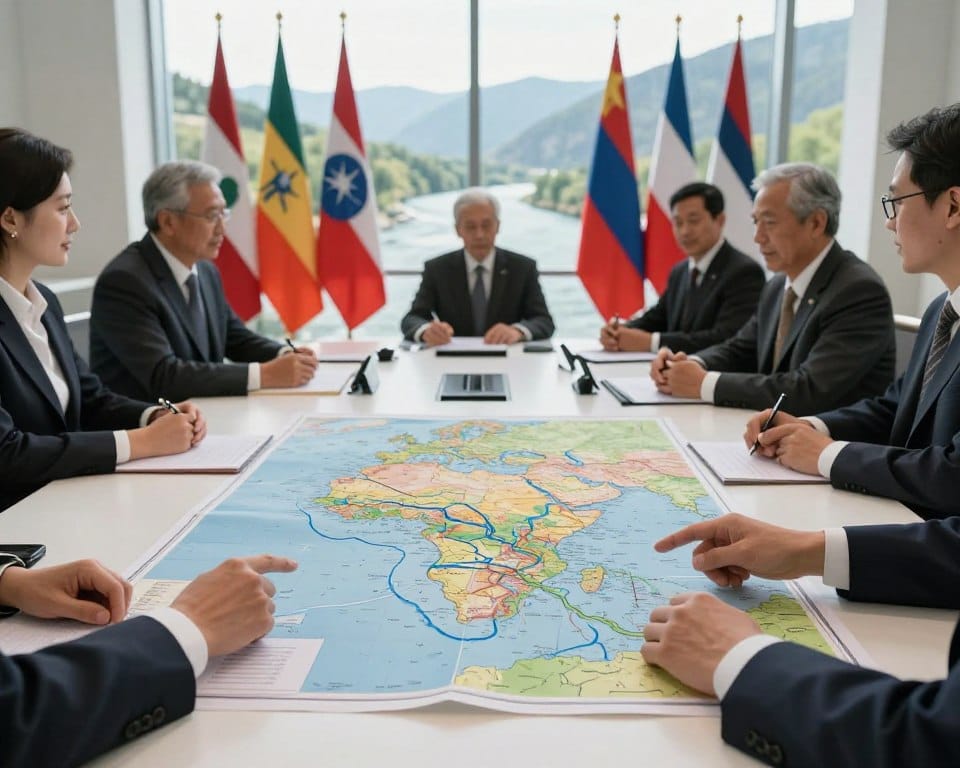
Remarkably, water scarcity often acts as a catalyst for cooperation. The accelerating pace of treaty-making, with 600 accords in the past two centuries, reflects growing recognition that unilateral action fails all parties in the long term.
These frameworks exhibit extraordinary resilience. The Indus Waters Treaty of 1960 has survived three wars between India and Pakistan, maintaining its function despite a complete collapse in diplomatic relations.
Successful cooperation can transform contention into integration. The Rhine Commission evolved from addressing industrial pollution to becoming a model for European environmental collaboration.
Effective treaties share common traits: clear allocation formulas, robust dispute resolution, and technical oversight insulated from politics. They balance flexibility with core commitments.
Globally, governance remains a patchwork. Only 38 nations have ratified the 1997 UN Watercourses Convention, leaving many vital rivers without universal legal principles.
The Role and Functions of the IBWC in Water Management
The delicate balance of shared river systems requires more than legal frameworks—it demands specialized institutions capable of translating treaty language into practical management. The International Boundary and Water Commission embodies this institutional approach, serving as the operational engine for treaty implementation.
Structure and Binational Responsibilities
This commission operates through a unique hybrid model. Each nation maintains parallel organizations with commissioners, engineering staff, and legal advisers.
The U.S. section reports to the Department of State from El Paso, while Mexico’s counterpart operates from Ciudad Juárez. This structure balances international cooperation with domestic accountability.
Mechanisms for Treaty Implementation
The commission’s most distinctive power lies in developing binding “minutes.” These legislative instruments interpret treaty provisions without requiring full ratification processes.
Since 1944, 179 minutes have addressed issues ranging from sanitation infrastructure to drought planning. This flexibility allows the framework to adapt to emerging challenges while maintaining legal force.
| Functional Category | Number of Minutes | Key Examples |
|---|---|---|
| Water Allocation & Delivery | 67 | Drought contingency plans, delivery schedules |
| Infrastructure & Engineering | 48 | Dam construction, channel maintenance |
| Environmental Protection | 32 | Water quality standards, habitat preservation |
| Dispute Resolution | 32 | Conflict mediation protocols |
The commission’s authority derives from accumulated technical knowledge and established precedents. Its effectiveness demonstrates how professional relationships can depoliticize contentious allocation decisions.
Key Treaty Stipulations and Water Delivery Requirements
The 1944 Water Treaty established a complex system of reciprocal obligations that transformed river management from unilateral control to shared responsibility. This framework addresses fundamental geographic asymmetries through carefully calibrated distribution formulas.
Allocation of Water from Major Rivers
The Colorado River allocation reflects extreme geographic imbalance. With 97% of the basin within U.S. territory, the treaty requires delivery of 1.5 million acre-feet annually to Mexico.
The Rio Grande operates as two distinct binational basins with separate allocation mechanisms. From the northwestern segment, the United States delivers 60,000 acre-feet to support Chihuahua’s needs.
| River System | Basin Characteristics | Allocation Formula | Key Features |
|---|---|---|---|
| Colorado River | 97% U.S. territory | 1.5 million acre-feet/year to Mexico | Approximately 10% of historical flows |
| Rio Grande (Northwestern) | El Paso/Juárez reach | 60,000 acre-feet to Mexico | Supports Chihuahua agriculture |
| Rio Grande (Southeastern) | Six Mexican tributaries | 350,000 acre-feet/5-year cycle to U.S. | Río Conchos historically provides 70% |
Mexico retains two-thirds of flows from six major tributaries on its territory. The United States receives one-third of these flows plus all water from U.S.-side tributaries.
Hydropower, Sanitation, and Environmental Considerations
Treaty provisions extend beyond simple quantity allocations. They encompass hydropower generation, sanitation infrastructure, and flood control measures.
This holistic approach recognizes that river management serves multiple interconnected purposes. Environmental flows increasingly factor into modern interpretations of these longstanding frameworks.
Managing Water Shortfalls: Debt, Delays, and Flexible Responses
The architecture of international river management contains built-in flexibility mechanisms designed to accommodate climatic extremes. These provisions recognize that legal frameworks must bend to environmental realities.
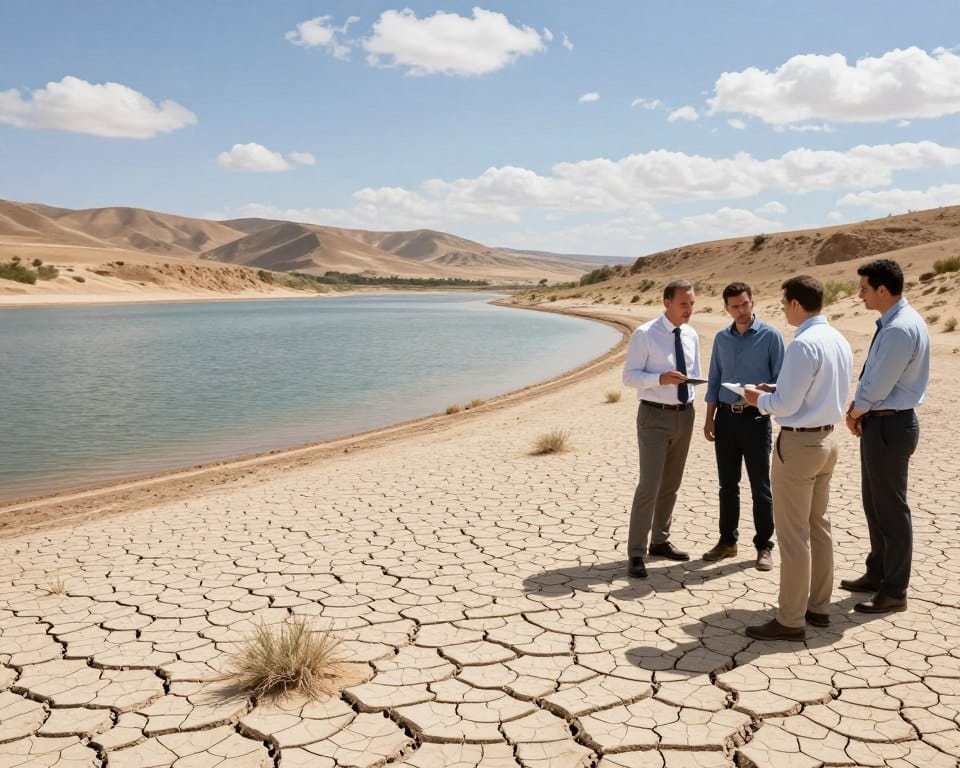
The 1944 pact acknowledges “extraordinary drought or serious accident” as valid reasons for delayed deliveries. However, the deliberate vagueness of these terms creates ongoing interpretive challenges during actual shortage periods.
Extraordinary Drought and Its Implications
When Mexico cannot meet Rio Grande obligations due to drought, it accrues debt requiring repayment. Conversely, when the United States faces Colorado River delivery challenges, the treaty allows proportional reductions without creating repayment obligations.
This asymmetric approach reflects different geographical relationships to each river system. The framework permits short-term flexibility while maintaining long-term accountability.
| Drought Period | Impact on Deliveries | Resolution Mechanism | Outcome |
|---|---|---|---|
| 1994-2003 | Mexico accumulated debt across two cycles | Improved efficiency, presidential intervention | Debt repaid by 2005 |
| 2010-2015 | 15% shortfall (216,250 acre-feet) | Negotiated minutes, opportunistic repayment | Full payment by January 2016 |
| Future Scenarios | Increased climate variability expected | Enhanced minute development needed | Ongoing institutional adaptation |
Minute 234 explicitly prohibits consecutive cycles of deficit, preventing indefinite deferral of obligations. This creates a rhythm of accountability that balances environmental uncertainty with diplomatic reliability.
The historical record shows both perfect compliance and significant struggles during persistent dry conditions. Treaty implementation operates cyclically, with performance varying according to hydrological conditions and political will.
Local Disputes and Political Dynamics in Water Sharing
The 2020 Chihuahua crisis demonstrates how treaty implementation can spark domestic resistance when resource allocation appears to prioritize international relations over regional livelihoods. These disputes reveal the complex interplay between diplomatic commitments and community welfare.
Case Study: The Situation in Chihuahua
Severe drought conditions left Chihuahuan farmers facing critical shortages. Their attempts to secure reserves clashed with federal obligations to transfer liquid resources to meet treaty deadlines.
This conflict escalated dramatically at La Boquilla dam in September 2020. Approximately 2,000 protestors used physical force to close valves, preventing authorities from extracting surface resources.
The confrontation turned fatal when National Guard forces opened fire, killing Jessica Silva. Her death became emblematic of the struggle, illustrating how administrative disagreements can escalate into violent conflicts.
The dispute became entangled in political rivalries between federal and state governments. President AMLO characterized the protests as politically motivated, while Governor Corral represented regional agricultural interests.
External involvement from Texas Governor Abbott transformed the domestic issue into an international incident. This demonstrates how resource sharing disputes operate simultaneously across multiple governance levels.
Transboundary Water Security in a Warming World
Climate disruption introduces new dimensions of uncertainty into the management of internationally shared freshwater resources. This evolving landscape challenges existing governance frameworks while amplifying vulnerabilities across hydrological systems.
Conflict Risks in a Changing Climate
Climate change functions as a threat multiplier rather than a singular cause of disputes. It elevates tensions through three distinct pathways that test diplomatic relations.
Reduced flows create quantity disputes that threaten agricultural and municipal supplies. Lower volumes also concentrate pollutants, sparking quality conflicts. Infrastructure developments enable control disputes where upstream nations regulate downstream access.
| Conflict Pathway | Climate Trigger | Regional Example |
|---|---|---|
| Quantity Disputes | Reduced precipitation, drought | South Asian river basins |
| Quality Conflicts | Concentrated pollutants | Middle Eastern shared aquifers |
| Control Tensions | Hydropower development | Sub-Saharan African rivers |
Cooperation Pathways and Diplomatic Solutions
Despite elevated risks, shared resources more often catalyze collaboration than confrontation. The vital nature of freshwater creates powerful incentives for negotiation over conflict.
Successful cooperation requires three essential elements working in harmony. Political will must prioritize long-term stability over short-term gains. Trust builds through consistent implementation of commitments. Effective institutions provide the technical expertise needed for adaptive management.
These components transform potential crises into frameworks for shared security. They enable nations to navigate climate uncertainty while maintaining equitable access to essential resources.
Institutional Challenges and Innovations in Water Governance
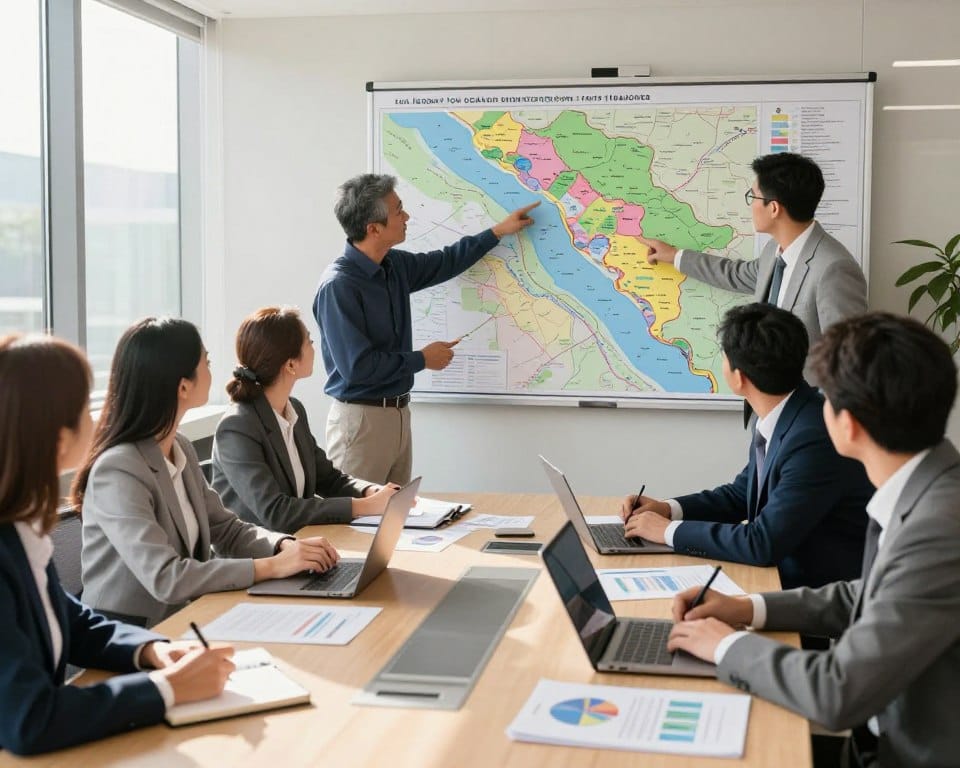
The governance of internationally shared freshwater resources confronts fundamental institutional challenges that transcend mere technical allocation disputes. These challenges stem from the inherent tension between hydrological systems operating at basin scales and political authority organized around national sovereignty.
Limitations of Current Legal Frameworks
Existing legal frameworks struggle to address contemporary environmental pressures. Only 38 nations have ratified the 1997 UN Watercourses Convention, leaving most transboundary rivers without universal legal standards.
This fragmented approach creates significant governance gaps. Bilateral and regional agreements vary widely in quality and enforcement capacity.
Emerging Roles of River Basin Organizations
River basin organizations represent innovative institutional responses to these governance challenges. Their effectiveness, however, demonstrates remarkable variability across different contexts.
Successful organizations combine technical expertise with political independence. They require adequate funding and clear mandates to implement effective basin-wide management strategies.
| Organization | Primary Focus | Key Success Factors | Major Challenges |
|---|---|---|---|
| Rhine Commission | Pollution reduction | Sustained cooperation, technical authority | Climate adaptation |
| Aral Sea arrangements | Ecological restoration | Initial international support | Nationalist politics, weak enforcement |
| Guarani Aquifer Agreement | Groundwater management | Regional cooperation | Limited enforcement mechanisms |
Political dynamics further complicate institutional development. Nationalist rhetoric often transforms technical allocation issues into sovereignty disputes, undermining rational negotiation processes.
Lessons Learned from U.S.-Mexico Water Management
Enduring success in shared resource management depends on three critical pillars: institutional stability, adaptive mechanisms, and technical expertise. The 1944 Treaty’s seventy-five-year history demonstrates how these elements combine to create resilient frameworks.
Institutional continuity through the IBWC has proven essential. The commission’s professional relationships provide stability that transcends political cycles. Technical decisions remain insulated from short-term pressures.
The minute system represents a brilliant adaptive mechanism. It allows binding adjustments without full renegotiation. This flexibility addresses unforeseen challenges like drought contingencies and quality issues.
| Lesson Category | U.S.-Mexico Example | Key Success Factor | Application Potential |
|---|---|---|---|
| Institutional Design | IBWC’s binational structure | Technical expertise over politics | Other river basin organizations |
| Adaptive Mechanisms | Minute system for adjustments | Flexibility within stability | Climate-vulnerable regions |
| Conflict Resolution | 179 minutes since 1944 | Professional relationships | Diplomatic strained contexts |
External mediators can bridge divides when bilateral negotiations stall. The World Bank’s role in the Indus Treaty offers one example. Third parties provide crucial technical and diplomatic support.
Effective cooperation requires political will, trust, and functioning institutions. These components transform potential crises into frameworks for shared security over time.
Future Outlook: Technological Adaptation and Policy Reforms
Emerging technologies are reshaping the fundamental architecture of transboundary resource management, offering new pathways for cooperation in an era of climate uncertainty. This evolution responds to profound changes in hydrological patterns that challenge traditional allocation frameworks.
Integrating Scientific Data and Remote Monitoring
Satellite monitoring and real-time data collection represent transformative developments in international river governance. These technologies provide independent verification of flows, reducing suspicion between neighboring states.
The Rio Grande Hydrology Work Group exemplifies this approach. Established through Minute 325, it leverages advanced monitoring to address increasing aridity in the basin.
Open data platforms build confidence by ensuring all parties access identical hydrological information. This transparency represents a crucial technological contribution to sustainable management.
Exploring New Treaty Flexibilities for a Sustainable Future
Climate-proofing existing frameworks requires moving beyond fixed allocation formulas. Future agreements must incorporate mechanisms for variability rather than relying on historical patterns.
Policy reforms should explicitly address groundwater and environmental flow requirements. Clear triggers for extraordinary circumstances need definition to manage extended drought periods effectively.
Technological capabilities alone cannot ensure sustainability without parallel political commitments. Leadership must prioritize regional cooperation over short-term advantages, treating rivers as integrated ecological systems.
Conclusion
The future of international peace may well depend on how nations manage the liquid boundaries that connect rather than divide them. These shared resources demand visionary leadership that treats cooperation as essential infrastructure for security.
Climate disruption has fundamentally reshaped the context for all sharing arrangements. The U.S.-Mexico experience demonstrates that durable frameworks require constant adaptation to changing hydrological realities and emerging challenges.
The path forward requires integrating groundwater management, strengthening institutional capacity, and depoliticizing technical decisions. Nations face a clear choice: build cooperative frameworks that ensure shared security or risk escalating disputes in a warming world.