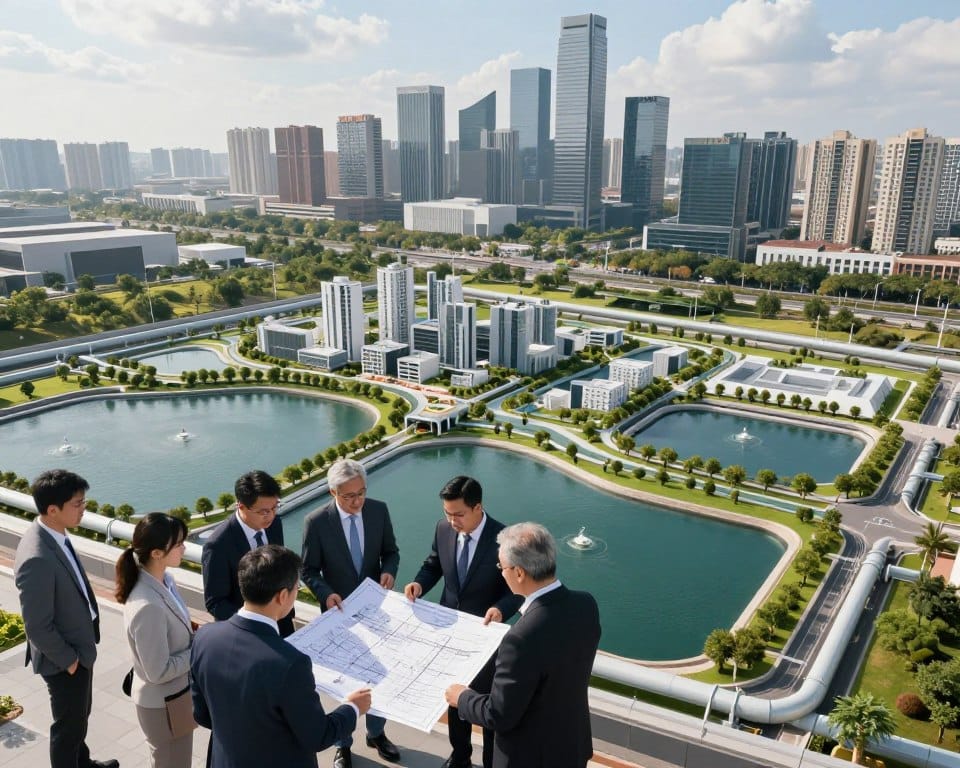
What if the very systems we depend on for life are more fragile than we admit? Our cities face a quiet crisis beneath the streets. Aging pipes, extreme weather, and growing populations push infrastructure to its limits. The old ways of managing these essential networks are no longer enough.
True strength is not just about building stronger walls. It is about creating networks that can bend without breaking, adapt to surprises, and recover quickly. This approach connects our drinking fountains to our power grids, hospitals, and farms. A failure in one area can ripple through an entire community.
This guide offers a path forward. It combines practical strategies with scientific insight for utilities and city leaders. The goal is to create actionable frameworks that work for large metropolises and small towns alike. It honors past investments while preparing for a future of new challenges, including how to prepare for water-related natural disasters.
Key Takeaways
- Modern infrastructure challenges require moving beyond traditional management approaches.
- Resilience is an adaptive capacity, not just defensive fortification against threats.
- Urban water infrastructure is deeply interconnected with other critical community systems.
- Effective planning must balance historical knowledge with innovative solutions for emerging pressures.
- Strategies must be scalable to serve communities of vastly different sizes and resources.
- A structured methodology is essential for developing robust and implementable frameworks.
Navigating Urban Water Systems in an Evolving Climate
Beneath our cities lies a complex circulatory system that must adapt to conditions its designers never anticipated. These networks face dual pressures from gradual deterioration and sudden climatic shifts. Understanding these dynamics requires examining both chronic stressors and acute disruptions.
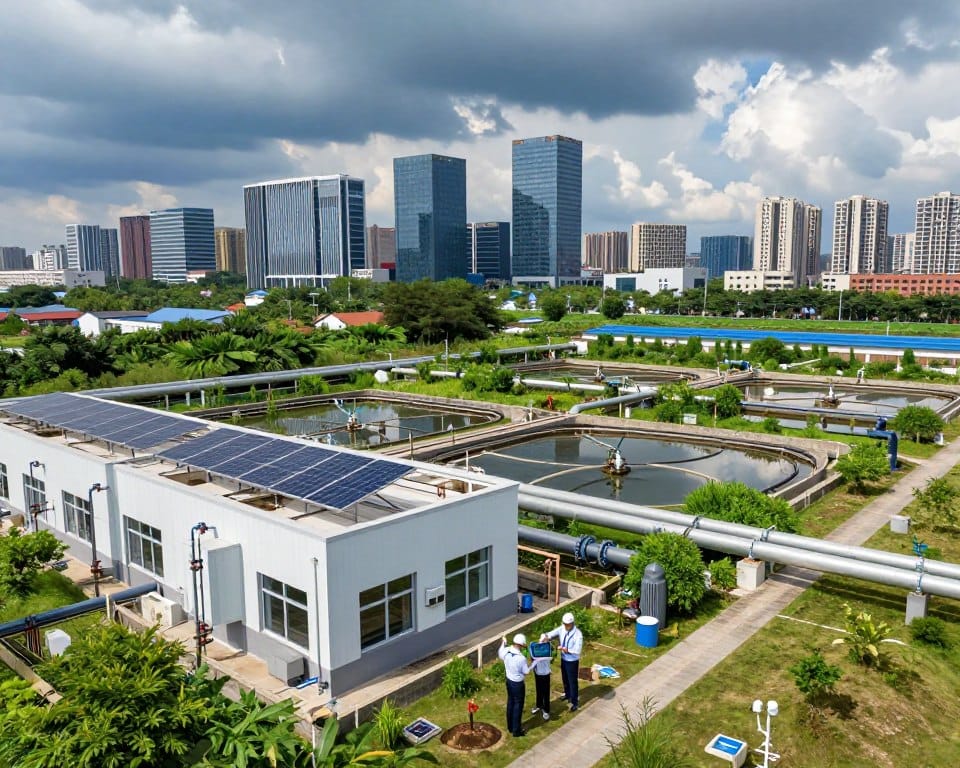
Addressing Aging Infrastructure and Shifting Weather Patterns
Many distribution networks installed during mid-century expansion now exceed their intended lifespans. This infrastructure senescence manifests through increased failure rates and reduced efficiency. Meanwhile, climate change introduces both gradual hydrological shifts and more frequent extreme weather events.
These environmental changes create compounding risks. Aging pipes become more vulnerable during flooding episodes. Deferred maintenance on critical components amplifies vulnerabilities during power outages. The intersection of chronic decay and acute events demands new approaches to system management.
Recognizing Community Demands and Environmental Stressors
Population dynamics alter consumption patterns, concentrating demand in specific service areas. Urban densification requires system adaptations while base infrastructure continues aging. These demographic shifts occur alongside broader environmental pressures.
Drinking water systems exist within ecological watersheds facing upstream challenges. Land use changes and aquifer depletion introduce additional stressors beyond direct operational control. Financial constraints further complicate addressing historical deficits while preparing for future conditions.
Assessing Risks and Vulnerabilities in Water Systems
Before designing solutions, communities must systematically identify what could fail and why. This analytical process moves beyond general awareness to detailed inventories of infrastructure exposure and operational dependencies.
Distinguishing Chronic Stressors from Acute Disruptive Events
Effective evaluation requires separating persistent conditions from sudden crises. Chronic stressors include aging infrastructure and long-term source quality decline. These gradually degrade performance over years or decades.
Acute events precipitate immediate operational emergencies. Main breaks, contamination incidents, and extreme storms demand rapid response. Understanding this distinction shapes appropriate preparedness strategies.

Conducting Local Risk Evaluations and Practical Assessments
The EPA’s Climate Resilience Evaluation and Awareness Tool (CREAT) offers a structured framework. It examines nine critical domains, from natural disasters to demographic changes. This comprehensive approach ensures no vulnerability goes unexamined.
Local specificity remains essential. Geographic location, system configuration, and regional climate patterns create unique risk profiles. Standardized national evaluations cannot capture these nuances.
Historical trend analysis provides empirical foundations for projecting future conditions. Examining decades of data reveals emerging vulnerabilities before they become crises. Participatory processes engage diverse stakeholders for complete perspective.
Integration with existing municipal documents avoids analytical duplication. Hazard Mitigation Plans and Climate Action Plans often contain relevant vulnerability data. Leveraging this work streamlines the assessment process.
Developing Comprehensive Water Supply Resilience Plans
Washington State’s regulatory framework demonstrates how climate adaptation transitions from voluntary initiative to mandatory planning requirement. Systems serving 1,000+ connections must incorporate Climate Resilience Elements into their planning documents after June 2025.
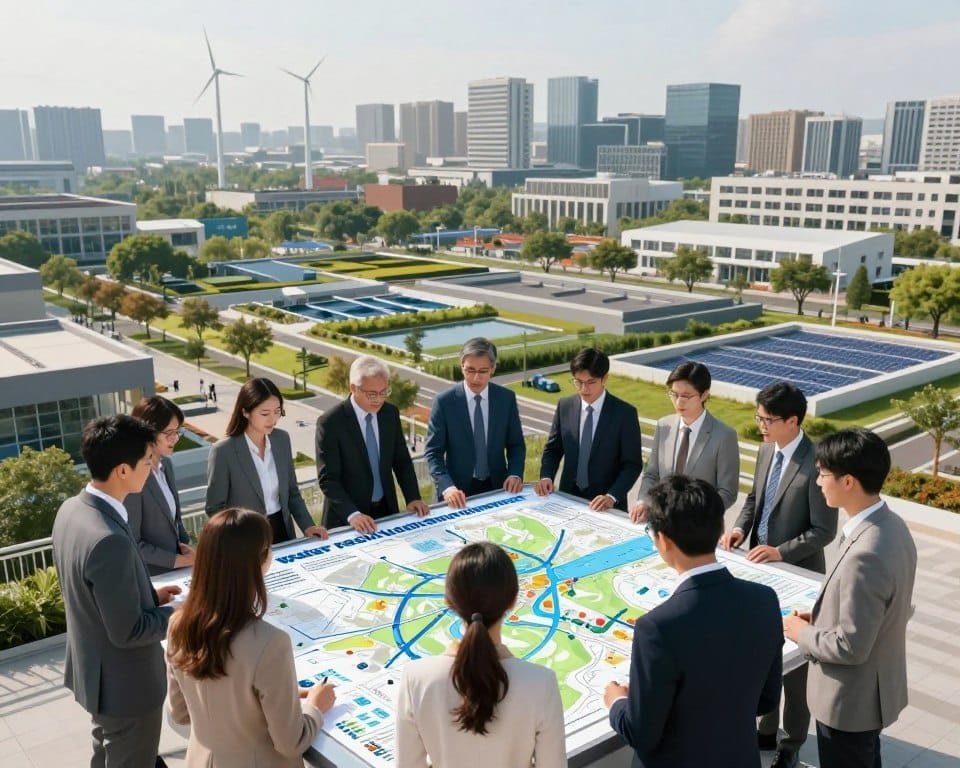
Step-by-Step Strategies for Actionable Resilience
The Water Resilience Assessment Framework (WRAF) exemplifies collaborative development. This multi-stakeholder approach combines expertise from corporate users, utility operators, and research institutions.
Effective methodology follows clear steps. It begins with establishing governance structures and conducting vulnerability assessments. The process then identifies system-specific characteristics and develops measurable indicators.
Scenario planning tests proposed actions against various future conditions. This approach evaluates infrastructure investments and operational changes across multiple projections. The goal is identifying strategies that perform robustly across different futures.
Integration with existing management processes ensures sustained attention. Capital improvement programs and asset management systems provide natural homes for resilience considerations. This embedding maintains focus across budget cycles and leadership transitions.
Implementing Proven Practices for Urban Water Security
Implementation transforms vulnerability assessments into operational realities through coordinated infrastructure enhancements and community partnerships. This phase converts analytical findings into durable networks capable of adapting to evolving climatic conditions.
Integrating Nature-Based Solutions and Traditional Infrastructure
Effective climate resilience strategies blend engineered systems with ecological approaches. Grey infrastructure provides reliable performance through elevated mechanical systems and redundant pathways.
Nature-based solutions offer multiple benefits beyond primary functions. Green infrastructure creates habitat while managing stormwater and reducing urban heat effects.
Drawing on State and Federal Initiatives for Best Practices
State Revolving Funds provide critical financing for infrastructure upgrades across all states. These programs support both traditional and innovative approaches to system improvements.
Environmental Finance Centers offer free technical assistance for navigating funding options. Utilities can access below-market interest rates for resilience-focused projects through proper community flood preparedness planning.
Ensuring Adaptive Management Through Continuous Monitoring
Successful implementation requires ongoing evaluation of system performance. Monitoring protocols track indicator measurements against established thresholds.
Learning networks enable utilities to share experiences and document outcomes. This collective knowledge accelerates effective practices across the water sector.
Leveraging Tools and Resources for Informed Resilience Planning
Technical frameworks and digital mapping platforms provide decision-makers with the analytical capacity to transform abstract climate risks into actionable strategies. These resources serve as critical force multipliers, enabling systems of varying capacities to access sophisticated capabilities without developing specialized expertise internally.
The extensive ecosystem spans from comprehensive federal programs to specialized regional applications. Managers can select instruments matching their operational scale and technical sophistication.
Utilizing Technical Guides, Mapping Tools, and Assessment Frameworks
EPA’s Climate Resilience Evaluation and Awareness Tool (CREAT) offers structured modules guiding climate impact assessment. This framework helps utilities identify adaptation options through systematic evaluation processes.
Regional resources like University of Washington’s Climate Mapping tool deliver location-specific climate indicators. Such instruments translate complex projections into practical planning information.
For smaller operations, streamlined checklists and webinar series provide accessible entry points. The Water Resilience Assessment Framework’s scoring tool establishes quantifiable metrics for tracking progress.
Professional associations contribute technical manuals addressing infrastructure design considerations. These collective resources empower managers to build robust operational frameworks using verified methodologies and current data.
Conclusion
As climatic patterns continue their unprecedented evolution, the imperative for adaptive infrastructure systems becomes increasingly undeniable. The comprehensive framework presented throughout this guide demonstrates that building robust urban networks requires integrated approaches combining rigorous assessment, strategic foresight, and continuous adaptation.
While challenges from aging infrastructure to extreme weather events appear daunting, proven methodologies and regulatory frameworks now support resilience building across diverse contexts. The economic logic remains compelling—every dollar invested in protective measures yields multiple returns through avoided losses and maintained service continuity.
These systems form the foundational layer supporting community health, economic vitality, and environmental stewardship. Their interconnected nature with broader civic functions positions climate adaptation as essential for safeguarding all community services. Forward-looking projections and adaptive management approaches ensure infrastructure investments remain functional under future conditions.
The journey represents an ongoing collaborative effort, with knowledge sharing accelerating effective strategies across the sector. Proper preparation, including learning how to prepare for water-related natural, remains crucial for protecting these essential services for current and future generations.