
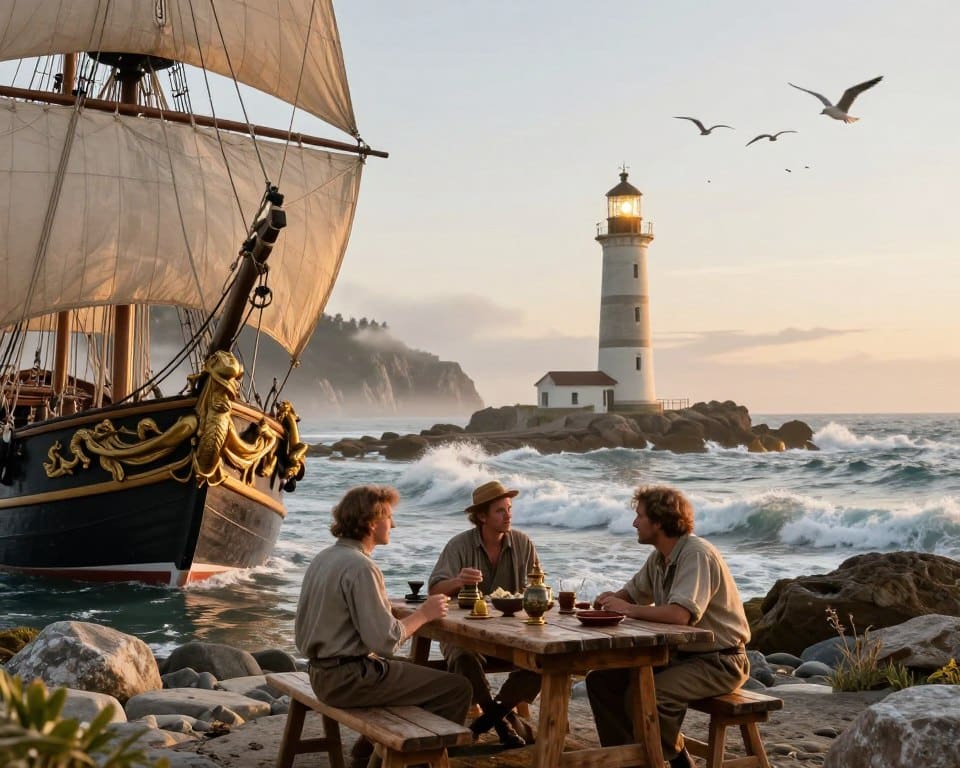
Maritime folklore in Europe opens a window where wind, salt, and sky shaped beliefs that guided coastal people for centuries.
The section outlines how Norse myth, coastal practice, and later religious influence blended into regional stories.
Readers will see how sea conditions, like fog and currents, became living metaphors.
Case studies show named creatures and rituals tied to weather, whales, and local hazards.
These narratives served functions: they warned sailors, taught moral rules, and strengthened community identity.
Analysis pairs each legend with plausible environmental triggers.
Cross-cultural exchange left shared motifs while local language kept many tales distinct.
Key Takeaways
- Coastal legends encode practical knowledge about currents, fog, and animal behavior.
- Norse roots and later beliefs merged to shape recognizable creature types.
- Regional case studies tie named creatures to specific environmental cues.
- Stories served as cautionary lessons and identity markers for fishing communities.
- Evidence-based approach links wonder to real sea phenomena and whale behavior like those discussed in whale sounds above water.
- Balanced review respects myth while probing physical causes and historical context.
How Europe’s seas shaped stories, beliefs, and everyday life
Wind and waves did more than move ships; they helped form lasting social practices. Coastal sound, fog, and surf made signals hard to read. People turned those signals into clear rules and memorable stories.
In the north, Norse cosmology met Christian ritual. That blend gave ordinary acts extra meaning. Simple rites on board—stepping aboard with the right foot first, pouring wine, or tossing coins to a sea god—reduced fear and set repeatable traditions. They also taught new crew what to expect.
On the Baltic shore, household spirits matched local sounds and landscape patterns. Cliffs, inlets, and shoals became named places where apparitions and strange calls recurred. These local notes tied a practical map to a cultural system.
- Wind and fog created ambiguous cues that became rules.
- Sailors used ritual to manage risk and bind the crew.
- Coastal economies timed departures around calm conditions and offerings.
- Harbor customs differ from open-ocean practices because distance raises uncertainty.
| Setting | Signal | Cultural Response |
|---|---|---|
| Cliffed coast | Echoing surf | Named creatures and warning tales |
| Harbor | Local sounds | Household rites and timing departures |
| Open sea | Storms, fog | Strict ship rules and shared rituals |
Across shores, these practices made the sea a teachable world. The result is a living archive that guides cultural memory today.
Mapping maritime folklore in Europe: patterns, regions, and shared archetypes
Researchers find clear spatial clusters where place features predict the kind of creature a community remembers. The “Mythical Creatures in Europe” map catalogs 213 beings. It shows high variety across archipelagos and rugged coasts. It also highlights harsher archetypes on exposed mountain shores.
Why island and coastal diversity breeds small local beings
Islands, estuaries, and wetlands create many micro-habitats. Complex soundscapes and hidden coves suggest a hidden presence. That yields more small, animal-like creatures and household spirits. British Isles clusters show the greatest variety. Baltic and Lithuanian examples tie beings to practical life.
Comparing regions and archetypes
| Region | Dominant type | Environmental drivers |
|---|---|---|
| British Isles | High variety of small creatures | Archipelagos, wetlands, soundscapes |
| Balkans | Fierce, harsh archetypes | Mountain exposure, narrow coasts |
| Lithuania & Baltic | Nature-linked household beings | Bogs, lakes, meadows |
- Mapping shows clusters where hazards and biodiversity align with tales.
- Islands favor small creatures; rugged coasts favor larger, threatening archetypes.
- Shipping routes move motifs, but languages keep local names tied to place and times.
- Use spatial tools to layer hazard data with legend density for targeted study.
Nordic coasts and Norse roots: from sea spirits to world-serpents
On Norway’s rugged shorelines, practical caution and myth merged into clear, memorable warnings.
These tales named hazards and taught behavior. Each story linked a visible sign to an action that kept fishermen and coastal communities safer.
Kraken and false islands
Accounts from the 18th and 19th centuries describe a massive beast off Norway that formed bait-rich slicks. Sailors mistook these for islands. When the creature sank it could create a suction vortex that pulled small boats under.
Nøkken: music that warns
The Nøkken appears as a man or a white horse at freshwater edges. Its song lures the unwary toward eddies and falls. Communities left gifts or taught children to avoid lone pools.
Selkies, draugr, and inland monsters
Selkie tales from the Faroes encode rules about consent and the limits of land life for those taken from the sea. Sea-draugr, often seen with seaweed hair, served as omens of drowning and reinforced watchkeeping on small vessels.
Lake beasts like Selma and Storsjöodjuret warn about deep, cold water and deceptive calm.
- Kraken myths map to upwellings, bait-balls, and whirlpools.
- Nøkken stories reduce drownings by warning of hidden currents.
- Selkies teach social rules and risk of leaving shore life.
| Creature | Observed sign | Seafaring hazard | Community lesson |
|---|---|---|---|
| Kraken | Calm slicks, bait swarms | Whirlpool, capsizing | Scan surface patterns; avoid false islands |
| Nøkken | Isolated pools, music | Hidden eddies | Keep children and lone fishers from pools |
| Selkie / Selma | Seal sightings, calm bays | Cold deep water risk | Respect tides; caution with strangers ashore |
Baltic perspectives: neutral spirits, household helpers, and nature-linked beliefs
Baltic communities turned odd sounds and rare lights into practical stories that steered daily life. These accounts mixed moral rules with observation. They became working rules for households and neighbors.

Laumė: aid that depends on conduct
Laumė appears near lakes or in fogs. She helps women and children and punishes cruel men. Her behavior teaches clear community beliefs.
Imps, brownies, and kaukai: sounds, pranks, and domestic help
Kaukai explain creaks, lost tools, and small repairs left unfinished overnight. They act like housekeepers. House rules grew around reciprocity to keep helpers content.
Aitvaras and shape-shifting fire—wealth-bringer with ancient echoes
Aitvaras shows as a fireball or rooster. It links rare atmospheric lights to sudden wealth. This creature grounded strange sightings as natural signs.
| Being | Visible sign | Practical role |
|---|---|---|
| Laumė | Washed cloths at dawn | Reward or punish based on fairness |
| Kaukai | Night noises | Explain household mischief and aid chores |
| Aitvaras | Flame or glow | Account for rare lights; link to good fortune |
These traditions shaped cooperation. They tied stewardship of waters and meadows to everyday care. The result is a set of practical rules that kept shared life stable and fair.
Sea serpents and world-circling beasts in European lore
Across old charts and saga verses, giants of the deep embodied the sea’s sudden fury and the limits of human reach.
Jörmungandr: the Midgard serpent and storm-bringer
In norse mythology Jörmungandr circles the world. Its stirring foretells quakes and high winds. Sailors read that image as a warning. Movements of a vast form explained sudden storms and rogue waves.
Leviathan: Biblical chaos and the fearsome sea
Leviathan appears as a multi-headed beast beyond human control. Biblical sources use the creature to mark chaos at sea. The symbol taught humility. Captains planned for limits they could not master.
- Sea serpent motifs offered macro explanations for storms and seismic sea states.
- Jörmungandr served as a cosmological boundary and a map for horizon thinking.
- Leviathan encoded forces that exceed human power, promoting conservative seamanship.
| Archetype | Function | Practical lesson |
|---|---|---|
| Jörmungandr | Cosmological boundary | Respect seasonal shifts and storm fronts |
| Leviathan | Chaos symbol | Plan conservative routes; avoid open risk |
| Sea serpent motifs | Macro explanation | Use awe to justify caution |
Merfolk across regions: sirens, mermaids, and selkies in changing times
Stories of song and shape-shift traced how communities read risk and romance on the horizon.
From bird-bodied Sirens to fish-tailed figures
Early Greek Sirens appear as bird-bodied singers who lure sailors. Homer frames this in the Odyssey where Odysseus hears them while tied to the mast. Over centuries the image shifted. European narratives recast the singer as a half-human, half-fish being.
Romance, risk, and selkie transformations
Faroese selkie tales show seal-people shedding skins and joining humans. Those tales highlight costs: lost freedom or broken vows. Along Atlantic and North Sea coasts, romances with selkies frame identity and duty between land and sea.
- Sirens began as birds; later mermaids adopt a fish form.
- Selkie stories blend human bonds with shape-shifted obligation.
- Sailors read alluring song as a warning about fatigue and distraction.
| Form | Region | Function |
|---|---|---|
| Bird-bodied Siren | Greek coasts | Warns of temptation |
| Fish-tailed mermaid | Atlantic shores | Explains sea hazards and romance |
| Selkie (seal-person) | Faroes, North Sea | Explores identity and cost of crossing worlds |
Ghost ships and cursed voyages that haunted sailors
Apparitions on the horizon and real-world derelicts both forced mariners to refine safety habits.
The Flying Dutchman
Reports of a cursed ship date to the 1700s. Witnesses described a vessel that reappeared on the horizon. The tale warns against defying storms and hubris. Crews learned to respect weather windows and avoid reckless pursuit of a passing hull.
Mary Celeste
Found adrift in 1872, the Mary Celeste carried provisions and intact cargo. The lifeboat was missing and the crew never found. The case highlights decision thresholds for abandonment, hull integrity checks, and careful lifeboat procedures.
SS Baychimo
Abandoned near Point Barrow in 1931, Baychimo drifted and was sighted for decades, last in 1969. Its persistence illustrates Arctic ice dynamics and how derelict hulls can remain hazards. Mariners should note ice drift patterns and derelict reporting protocols.
Octavius
The Octavius story claims a ship frozen with its crew in 1775. Historical proof is limited. Still, the tale serves as a caution about uncharted ice routes and crew survivability in extreme cold.
Carroll A. Deering
Wrecked on Diamond Shoals in 1921, the Carroll A. Deering was found with sails set and no crew. The logbook was missing. The incident underlines shoal hazards, the need for reliable logs, and strict command accountability.
| Case | Key fact | Operational lesson |
|---|---|---|
| Flying Dutchman | 1700s horizon sightings | Respect weather and avoid pursuit |
| Mary Celeste | 1872, provisions intact | Abandonment protocol; hull checks |
| SS Baychimo | 1931 abandoned; seen until 1969 | Ice drift awareness; derelict reporting |
| Octavius | 1775 frozen crew (unproven) | Ice-route caution; survival planning |
| Carroll A. Deering | 1921 found on shoals; crew missing | Charting hazards; maintain logs |
- These stories trained sailors to watch weather, monitor hull integrity, and avoid rumor-driven risk.
- 19th century documented cases helped shift practice from legend to procedure over days at sea.
Gods, rituals, and respect for the water
Before sails filled, crews often paused for rites that shaped behavior and morale. These acts linked belief and practice. They made final checks into a shared moment of focus.
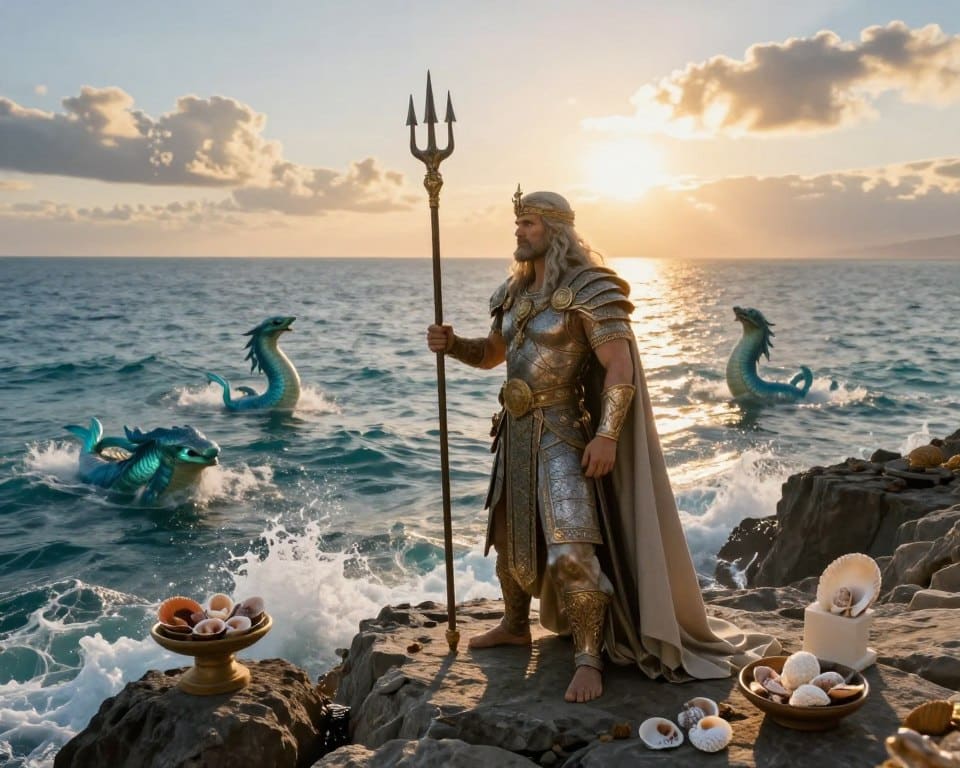
Poseidon and Neptune: offerings for calm seas
Sailors poured wine on decks and tossed coins to Neptune before departure. Such offerings functioned as morale tools. They aligned the crew around one goal: safe passage.
Tattoos, black cats, and gold earrings served as protective charms. These items acted like low-cost controls. They reduced anxiety and kept people steady under stress.
Runes, Norse cosmology, and seafaring fate
Runic marks draw from norse mythology and Odin’s sacrifice. They gave crews a shared language for reading risk and fate.
Runes persisted as art and identity across a century of coastal life. The symbols framed danger as something to respect and prepare for.
- Offerings created a ritual pause that encouraged checklist behavior.
- Ceremonies codified respect for uncontrollable forces and clarified roles.
- Charms improved confidence, which supports better decision making on deck.
| Ritual | Example | Practical effect |
|---|---|---|
| Sea offering | Pour wine; toss coin | Focus, teamwork, final checks |
| Protective charm | Tattoos, gold earring | Reduce anxiety; personal control |
| Runic symbol | Carved mark on mast | Shared meaning; read risk |
Maritime superstitions: everyday rules sailors lived by
Small rituals on deck acted like checklists disguised as belief. Sailors treated many superstitions as practical ways to reduce risk and keep focus during long days at sea.
Bad luck beliefs
Bananas, renaming ships, and brief farewells
Bananas aboard were marked as bad luck. Practically, they attract pests and can cause slipping in tight work spaces. Treating bananas as taboo reduced hygiene and fall hazards.
Renaming a ship was considered tempting fate. Operationally, keeping a ship’s name preserves log continuity and avoids confusion in navigation records and radio calls.
Long farewells before departure were discouraged. Short goodbyes limit emotional distraction and keep crews ready for critical pre-departure checks.
Small acts that improve safety
Stepping on with the right foot first signals a role change. This ritual creates a focused transition and prompts immediate task awareness. Pouring wine on deck or tossing coins to the sea served as structured pauses. These acts forced a final review of weather, gear, and route before getting underway.
Protective charms with real value
Black cats often rode ships to control vermin and lift morale. Nautical tattoos marked experience and survival. Gold earrings functioned as visible milestones and, historically, as a basic form of insurance for burial costs ashore.
- Bad luck tags like bananas reduce pests and slips.
- Keeping a ship’s name maintains clear records and communications.
- Rituals such as right-foot first act as attention anchors for new duties.
- Brief farewells protect focus for last-minute safety tasks.
- Offerings create a deliberate pause for final checks.
| Superstition | Operational link | Practical effect |
|---|---|---|
| Bananas | Pest control & slip hazard | Fewer vermin, safer decks |
| Rename ship | Record continuity | Clear logs and comms |
| Right foot first | Attention shift | Improved task focus |
Folklore, faith, and cultural exchange along Europe’s shores
Church teaching often reinterpreted local spirits, creating layered stories that mixed duty and wonder.
Christian overlays and local persistence
Christian motifs reframed older beings rather than erased them. Priests recast helpful household imps as moral tests or minor devils across several regions.
In Lithuania, imps shifted toward malice after Catholic influence. That change raised the moral tone of many tales while keeping local traits intact.
Language, diffusion, and why some creatures stayed local
Language acts as both barrier and bridge. Local names and dialects slowed adoption of specific creatures along busy coasts.
Laumė preserved ambivalence. She helped women and children and punished cruel men. That resilience shows how place values survive doctrinal change.
- Christian overlays produced hybrid narratives that layered old and new meaning.
- Imps grew more malicious under doctrinal pressure; laumė stayed ambivalent.
- Broad archetypes spread easily; detailed beings stayed tied to place and dialect.
| Being | Post-conversion role | Practical effect |
|---|---|---|
| Imps | Often recast as devils | Stricter moral warnings |
| Laumė | Ambivalent helper | Local rules about fairness |
| Archetype | Wide diffusion | Shared cautionary themes |
maritime folklore in Europe: what these legends reveal about people and place
Local myths served as informal sensors, turning small cues on the water into lasting safety habits. These stories condensed notice of sounds, surface shifts, and strange lights into clear guidance for daily life and work.
Nature’s sounds, hazards, and the human need to explain the sea
Unexplained nocturnal noises and moving slicks became warning signs. Baltic interviews tie beings to bogs, lakes, and meadows. Nordic accounts link water spirits and draugr to rip currents, shoals, and sudden squalls.
From cautionary tales to cultural identity in coastal communities
These tales trained pattern recognition. Crews and families learned risk thresholds that guided choices at sea and ashore. Shared narratives also strengthened mutual aid and local memory across times.
- Durable explanations improved caution and crew focus.
- Legends map to hazards: rip currents, shoals, squalls, cold shock.
- Stories turned uncertainty into practical guidance and communal rules.
| Signal | Hazard | Community lesson |
|---|---|---|
| Night music | Hidden eddies | Avoid lone pools; watch children |
| Calm slicks | False islands, whirlpools | Scan patterns before approach |
| Glowing lights | Cold shallow shoals | Mark hazards; share local charts |
Conclusion
These coastal tales act as practical manuals wrapped in drama and wonder. They show how communities encoded hazards and seasons as compact rules that guided daily work and choice.
Beings with tentacles or shifting form turn surface signs into memorable warnings. Ghost-ship cases from the 19th century supply fact patterns that still shape logs, search practice, and ship decisions.
Island and regional differences matter. Hazards, language, and local belief shape which creature or spirit appears and the lesson it carries. Over time, humans turned uncertainty into a steady way to protect crews and keep lives ashore safer.
Read each story as both world-scale awe and focused guidance. They are records of observation. They are tools for safety and shared work at sea and coast.