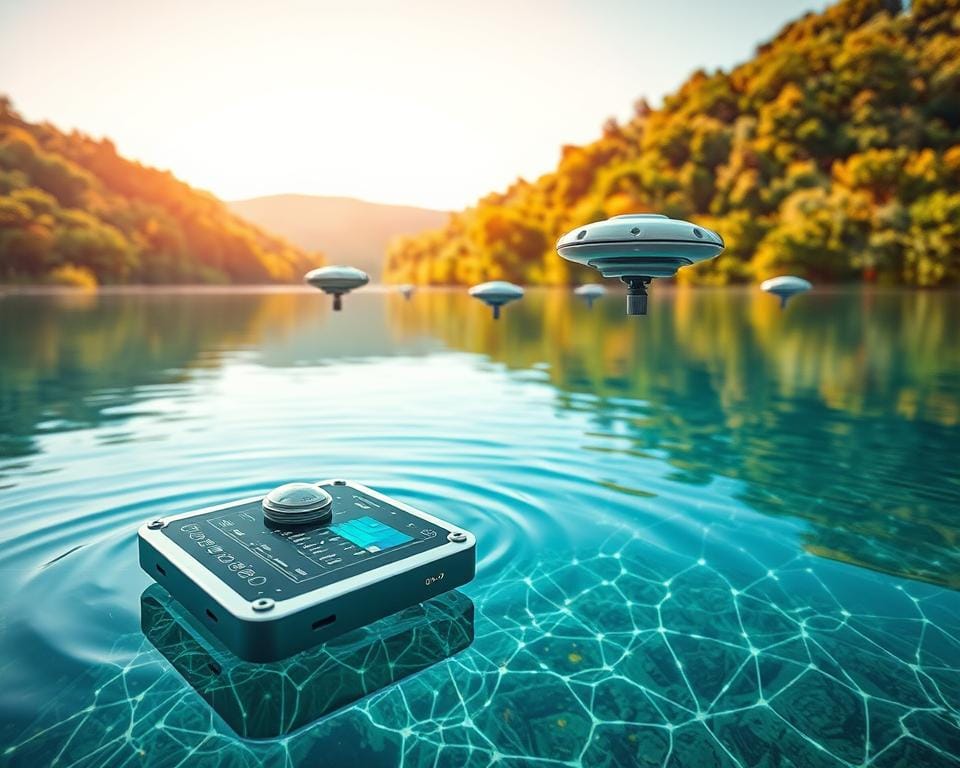
Water infrastructure in the United States is crumbling. Artificial intelligence might just be our unexpected savior. AI in water quality monitoring is revolutionizing how we detect, predict, and respond to environmental challenges.
These challenges have plagued our aging systems for decades. The technology emerging today feels like something from a sci-fi novel. It transforms environmental sensors into intelligent guardians of our most critical resource.
Every day, the U.S. loses 6 billion gallons of treated water through broken pipes. This staggering statistic highlights our infrastructure’s desperate need for innovation. Real-time pollution detection isn’t just a technological luxury anymore.
It’s becoming an essential lifeline for communities struggling with deteriorating water systems. The American Society of Civil Engineers has repeatedly warned about our water infrastructure. They gave drinking water systems a dismal “C-” grade.
This isn’t just an engineering problem. It’s a critical public health issue that demands cutting-edge solutions. Advanced AI monitoring technologies offer hope for our failing systems.
Key Takeaways
- AI is transforming water quality monitoring with unprecedented accuracy
- The U.S. loses 6 billion gallons of treated water daily through infrastructure failures
- Environmental sensors powered by AI offer real-time pollution detection
- Aging water systems pose significant public health risks
- Technological innovation is crucial for sustainable water management
The Crisis Hidden in America’s Aging Water Infrastructure
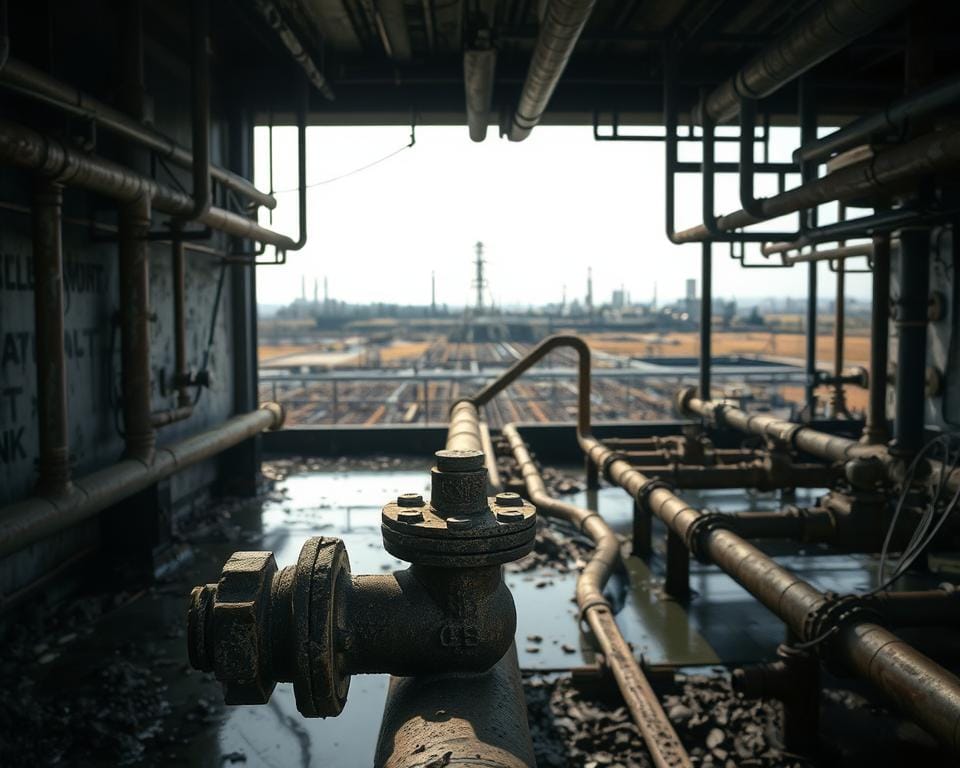
Beneath our streets lies a silent crisis threatening America’s water supply. The underground network of pipes that delivers water to millions of homes is crumbling. This creates a massive challenge for water infrastructure management.
More than 2 million miles of pipes crisscross the United States. The scale of the problem is staggering.
The Scale of Water Loss Through Failing Systems
Some shocking statistics about our water infrastructure demand attention. Nearly 50% of water pipes are over 45 years old. Some cast-iron pipes date back to the 1800s.
This aging network creates significant challenges for machine learning water analysis. It also affects predictive contamination models.
- 2 million miles of underground water pipes
- 50% of pipes over 45 years old
- 9.2 million lead service lines still in use
- 30-50% of water loss from small, undetected leaks
Why Traditional Leak Detection Methods Fall Short
Traditional leak detection methods are painfully inadequate for modern infrastructure challenges. Data-driven water quality approaches reveal that current techniques rely on manual listening devices. These methods struggle to distinguish leak sounds from urban noise.
Current leak detection is labor-intensive and time-consuming. It’s also woefully inefficient.
| Traditional Method | Modern AI Approach |
|---|---|
| Manual acoustic listening | Continuous machine learning analysis |
| Limited detection accuracy | Precise leak identification |
| Sporadic inspections | Real-time monitoring |
The infrastructure we rely on was never designed for today’s climate challenges. It wasn’t built for growing populations or complex water quality demands. Predictive contamination models represent our best hope for transforming this broken system.
These models offer a proactive approach to water management. They can save millions of gallons and protect public health.
AI-Powered Acoustic Sensors That Never Sleep
Water infrastructure is getting smarter. AI-powered acoustic sensors are leading the revolution in automated water testing systems. These cutting-edge devices transform how we detect and manage water system vulnerabilities.
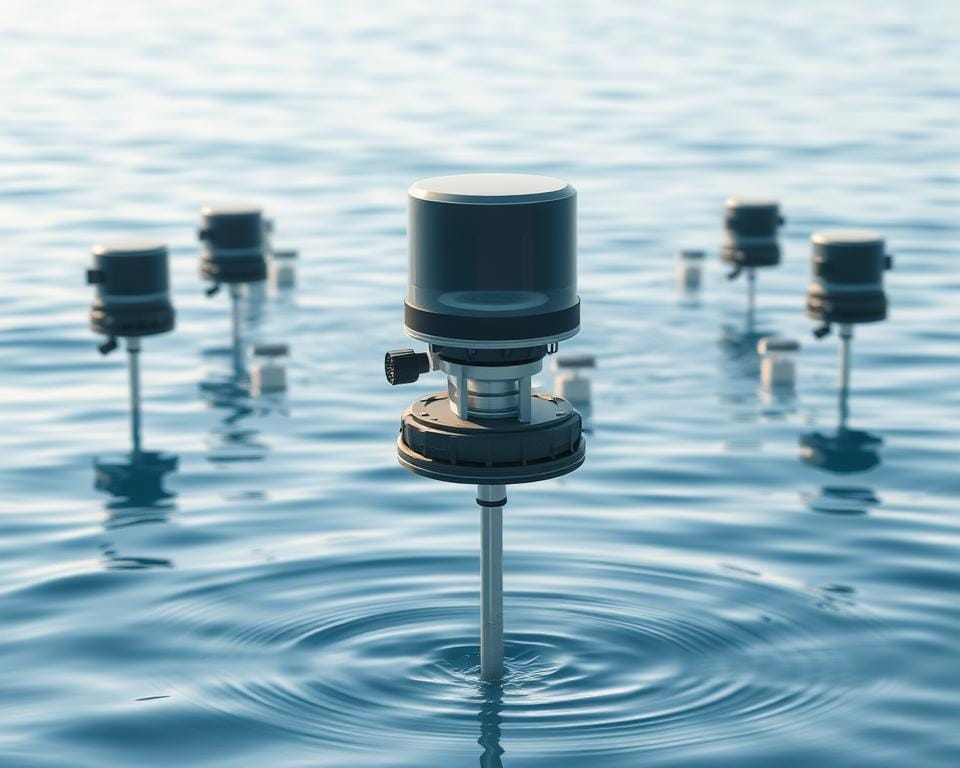
Sensors can listen to pipes 24/7, identifying potential leaks with unprecedented precision. Companies like FIDO Tech are pioneering this technology. Their system uses advanced AI to analyze acoustic data in seconds.
The system can detect leak signatures without needing specific pipe details. It works regardless of material, depth, or size.
- Continuous monitoring without human intervention
- Instant leak detection across diverse infrastructure
- AI-powered analysis of acoustic signatures
- Strategic leak prioritization for utilities
Smart water management technologies span global locations, including London, Arizona, and Mexico. These systems provide utilities with a powerful tool to address water loss. They rank leaks by severity and help allocate limited repair budgets more effectively.
| Technology Feature | Benefit |
|---|---|
| 24/7 Acoustic Monitoring | Continuous leak detection |
| AI-Driven Analysis | Precise leak identification |
| Leak Severity Ranking | Targeted repair strategies |
IoT water monitoring technologies help cities dramatically reduce water loss. They prevent infrastructure damage and create more resilient water management systems. The future of water infrastructure is here—and it’s listening carefully.
AI in Water Quality Monitoring for Real-Time Pollution Detection
Water quality monitoring has entered a revolutionary era with artificial intelligence. AI transforms how we detect and predict contamination. This technology offers unprecedented insights into potential environmental risks.
Predictive contamination models are changing the landscape of environmental protection. Researchers have developed sophisticated AI systems that forecast water quality challenges. These systems work before problems become critical emergencies.
Predictive Models That Forecast Water Quality Before Storms Hit
University of Vermont and Utah State University researchers created groundbreaking AI technology. Their system enhances the National Water Model. It goes beyond simple stream flow predictions.
- Predicts turbidity level spikes during storm events
- Provides advance warning to water management teams
- Tested successfully in New York City’s water supply system
The AI model demonstrated remarkable accuracy in the Ashokan Reservoir. This reservoir serves 40% of NYC’s daily drinking water. Water managers can now anticipate contamination risks hours before traditional methods detect them.
Vision Systems That Spot Contamination Instantly
Real-time pollution detection has reached new heights with AI-powered vision systems. These advanced technologies use sophisticated cameras and sensors. They monitor water bodies continuously.
| Contaminant Type | Detection Capability |
|---|---|
| Algal Blooms | Instant Visual Recognition |
| Oil Spills | Immediate Identification |
| Industrial Waste | Precise Chemical Detection |
UV spectroscopy and fluorescence sensors enable real-time chemical contamination detection. These systems identify emerging pollutants that traditional tests might miss. The AI establishes a baseline for each water system.
The River Deep Mountain AI (RDMAI) project has democratized this technology. They released open-source AI and machine learning models on GitHub. These models support river flow predictions and pollution source tracking.
Bridging Data Gaps in Underserved Communities
Technology is changing how we understand environmental challenges in communities with limited resources. Data-driven water quality solutions create new opportunities for aquatic ecosystem assessment. These advances especially help areas that have been traditionally overlooked.
Machine learning models revolutionize environmental sensors by predicting water conditions in underserved regions. These areas often lack extensive monitoring infrastructure. Researchers in Japan achieved 91% accuracy in predicting river discharge across multiple watersheds.
Communities with minimal sensor networks can now obtain critical water quality insights. This breakthrough means better data for everyone. The technology levels the playing field for environmental monitoring.
AI systems help utilities identify critical infrastructure challenges in underserved areas. These technologies address infrastructure inequalities head-on. Utilities can now detect rural water supply system issues that often go unnoticed.
- Predict water quality in unmonitored areas
- Identify potential lead service lines
- Prioritize infrastructure investments
- Reduce unnecessary excavation costs
Toledo, Ohio, received EPA grants to implement machine learning predictive models. The city uses these models for lead service line assessment. Utilities analyze neighborhood data to strategically prioritize replacements.
This approach saves millions in unnecessary excavations. The technology makes infrastructure upgrades more efficient. Communities benefit from smarter, more targeted investments.
These technological advances represent a profound shift toward environmental justice. They bring sophisticated water quality monitoring to historically underserved communities. The impact goes far beyond just numbers and data.
Conclusion
AI in water quality monitoring is more than a tech breakthrough. It’s a critical path to solving our nation’s water infrastructure challenges. The 2021 Bipartisan Infrastructure Law’s $55 billion signals a pivotal moment in smart water management.
We stand at a remarkable intersection of technology and necessity. AI-powered sensors and predictive models revolutionize how we detect water quality issues. These systems provide continuous monitoring that traditional methods simply cannot match.
Advanced systems offer real-time insights that prevent potential health risks. They also help avoid infrastructure failures before they happen.
Our water infrastructure needs dramatic reimagining. Experts estimate we need $109 billion annually for the next two decades. The technology to create transformative change already exists.
Smart water management isn’t just about investing in infrastructure. It’s about deploying intelligent technologies that predict and prevent problems. These tools protect our most essential resource.
The future of water quality monitoring demands active citizen engagement. Understanding AI’s potential in tracking contamination helps drive change. Supporting local infrastructure initiatives makes a real difference.
Demanding transparent water quality reporting creates accountability. Our collective action turns technological potential into tangible solutions. Communities across the United States can benefit from these advancements.