
Traditional roofing systems let precious rainwater slip away unnoticed. Each drop represents a missed opportunity for conservation. Smart rain sensors for rooftops are changing how we capture and manage precipitation.
These intelligent monitoring systems transform ordinary roofs into water collection networks. They’re not just gadgets—they’re game-changers in urban water conservation.
Picture capturing hundreds of gallons with precision technology. This technology knows exactly when and how to collect rainfall. Smart rain sensors measure, communicate, analyze, and optimize water collection in real-time.
Your roof becomes a sophisticated water management system.
Key Takeaways
- Smart rain sensors enable precise water capture from rooftops
- Intelligent systems can reduce water waste by up to 35%
- Real-time precipitation monitoring transforms traditional harvesting
- Technology turns roofs into active water collection resources
- Automated sensors provide instant environmental and economic benefits
Why Smart Rain Sensors Matter for Modern Rainwater Collection
Water management has entered a new era with weather-responsive roof technology. Traditional rainwater collection systems often missed critical opportunities for efficient water capture. IoT rainwater detection devices are changing that dynamic completely.
Unpredictable rainfall patterns across the United States demand intelligent solutions. Smart rain sensors provide unprecedented precision in water harvesting. These advanced technologies adapt to local climate conditions.
- Detect rainfall in real-time
- Prevent tank overflow
- Optimize water storage capacity
- Reduce water waste
IoT rainwater detection devices help property owners improve their water harvesting strategies. The technology transforms passive collection methods into active, intelligent systems. These systems respond dynamically to environmental conditions.
Cost considerations are significant for property owners. Complete harvesting systems can range from $10,000 to $50,000. Adding smart sensors typically costs just a few thousand dollars.
The potential return on investment is substantial. Collection efficiency can potentially increase by 30-40%. This makes smart sensors a worthwhile investment.
Climate change has made rainfall patterns increasingly unpredictable. Weather-responsive roof technology offers a critical solution for sustainable water management. Smart sensors provide adaptive water collection capabilities across diverse geographic regions.
How Smart Rain Sensors for Rooftops Transform Water Management
Water management technology has reached a remarkable turning point. Advanced precipitation monitoring systems are changing the game. Intelligent sensors revolutionize how we capture, track, and use rainwater.
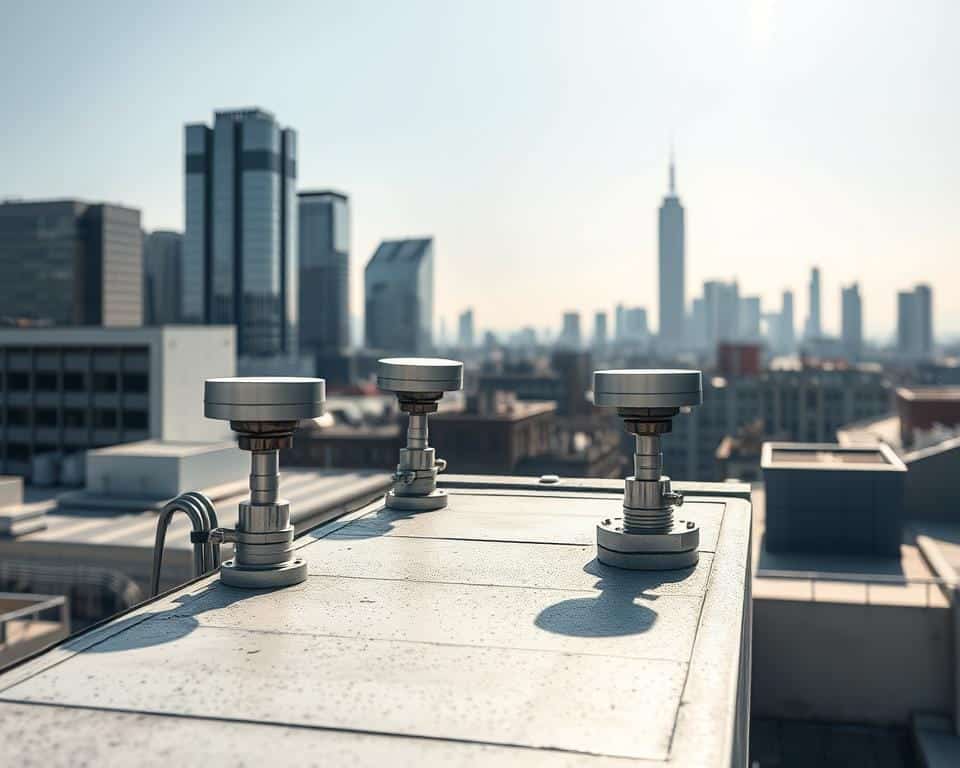
Modern wireless rooftop precipitation gauges represent a breakthrough in environmental monitoring. These sophisticated automated moisture sensors provide unprecedented insights. They track rainfall patterns and water collection potential with remarkable accuracy.
Real-Time Precipitation Monitoring
The core advantage of these advanced sensors lies in their real-time precipitation analytics. Cutting-edge technology enables instant tracking of rainfall characteristics. This includes precise intensity measurements and volume calculations.
- Precise rainfall intensity measurements
- Instantaneous water volume calculations
- Comprehensive environmental data streaming
Innovative sensor technologies use optical and capacitive detection methods. They can distinguish between light drizzles and heavy downpours. This granular approach ensures optimal water collection strategies.
Automated System Response and Control
Smart rain sensors do more than just collect data. They actively manage water harvesting systems through intelligent automation. These features maximize efficiency and prevent problems.
- Automatic diversion of first-flush contaminated water
- Dynamic valve control based on rainfall intensity
- Storage capacity management
- Integration with weather forecasting systems
These systems leverage real-time precipitation analytics to make split-second decisions. They maximize water collection efficiency while preventing overflow. Contamination risks are also minimized through smart automation.
Integrating Weather-Responsive Technology with Harvesting Systems
Smart building water management solutions are changing how we capture and use rainwater. Climate-adaptive roof sensors offer a new approach to intelligent water collection. They transform traditional harvesting systems into responsive, high-tech networks.
The core of these advanced systems lies in their ability to communicate and adapt. Microcontroller boards serve as central hubs, connecting multiple sensors that gather critical environmental data.
These smart systems can:
- Monitor real-time precipitation levels
- Access weather forecast APIs
- Track water storage capacity
- Automatically adjust collection strategies
Innovative climate-adaptive roof sensors provide unprecedented control over water harvesting. They make instant decisions like pausing collection when rain is imminent. They also maximize storage during dry periods.
The technology integrates seamlessly with smartphone applications. This allows remote monitoring and system adjustments from anywhere.
Energy efficiency is another remarkable feature. Many modern systems incorporate solar panels. This creates a self-sustaining water management ecosystem that operates completely off-grid.
The initial investment ranges from $2,000 to $5,000. Most homeowners recover costs within 3-5 years through reduced utility expenses. Improved water capture also contributes to savings.
By embracing these smart building water management solutions, property owners can optimize their rainwater harvesting. They reduce waste and contribute to sustainable water conservation efforts.
Maximizing Collection Efficiency Through Intelligent Sensors
Smart technology has changed rainwater harvesting completely. Traditional collection methods have become sophisticated connected rainfall monitoring systems. These advanced sensors give homeowners unprecedented control over water management.

Rainwater collection is no longer a passive process. Modern connected rainfall monitoring systems enable precise tracking of water resources. Rooftop collection has transformed into a strategic water conservation approach.
Strategic Storage Management
Effective storage management is crucial for maximizing rainwater harvesting potential. The key challenges include:
- Limited storage capacity
- Seasonal rainfall variations
- Unpredictable precipitation patterns
Intelligent sensors help overcome these challenges with real-time data. They track rainfall intensity and predict collection potential. The sensors also guide optimal water usage.
Protecting Your Water Collection System
Connected rainfall monitoring systems offer critical protection against potential system damage. They provide:
- Automatic valve closure when tanks reach capacity
- Instant overflow alerts
- Predictive maintenance notifications
Advanced sensor technology helps homeowners prevent water loss. It reduces potential property damage significantly. The system ensures the longevity of rainwater harvesting infrastructure.
Cost Savings and Environmental Benefits of Smart Monitoring
Smart rain sensors transform water management into an intelligent, cost-effective strategy. These IoT devices revolutionize rainwater collection through precise, real-time precipitation monitoring.
The financial advantages of intelligent precipitation monitoring are substantial. Homeowners can expect significant savings through weather-responsive technology. This reduces municipal water dependency while optimizing water collection.
- Water bill reduction up to 35%
- System lifespan of 15-20 years
- Potential LEED certification credits
Automated sensors deliver multiple economic benefits:
| Benefit Category | Annual Savings |
|---|---|
| Water Bill Reduction | $396-$600 |
| System Efficiency Gains | $180-$300 |
| Damage Prevention | $300-$500 |
Smart rainwater harvesting systems contribute significantly to environmental sustainability. They reduce stormwater runoff and decrease municipal water infrastructure strain. These systems also lower carbon emissions.
Urban properties can particularly benefit from intelligent precipitation monitoring technologies. Cities like Philadelphia offer rebates for rainwater harvesting systems. This recognizes their role in sustainable water management.
Conclusion
Smart rain sensors are more than just tech gadgets. They’re game-changing tools for rainwater harvesting. Rainwater harvesting systems have evolved from passive collection to intelligent monitoring.
Intelligent monitoring transforms how we capture and use rainfall. Smart rain sensors provide unprecedented control for any setup. These weather-responsive technologies turn hit-or-miss approaches into precise water management.
Starting small is key to success. Begin with a basic collection system and add smart sensors gradually. Look for solutions offering real-time tracking, automated controls, and smartphone connectivity.
The initial investment pays off through multiple benefits. You’ll capture more water and reduce utility costs. Enhanced environmental sustainability makes the upgrade worthwhile.
Water conservation requires making informed choices every day. Smart rain sensors help create resilient, efficient water management systems. By embracing these technologies, we capture more water and reduce waste.